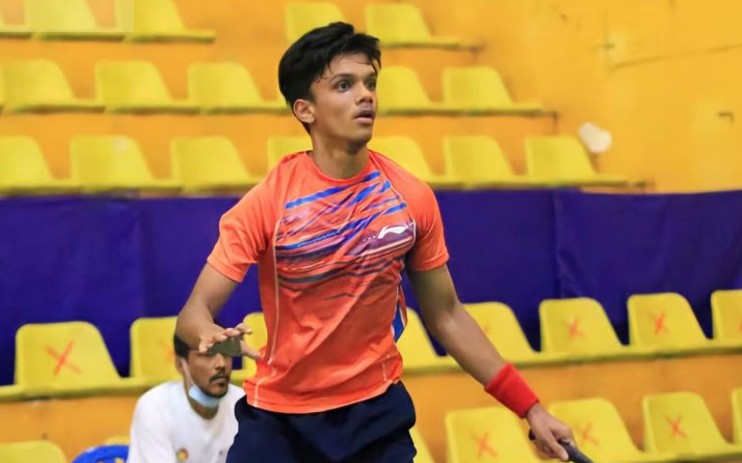
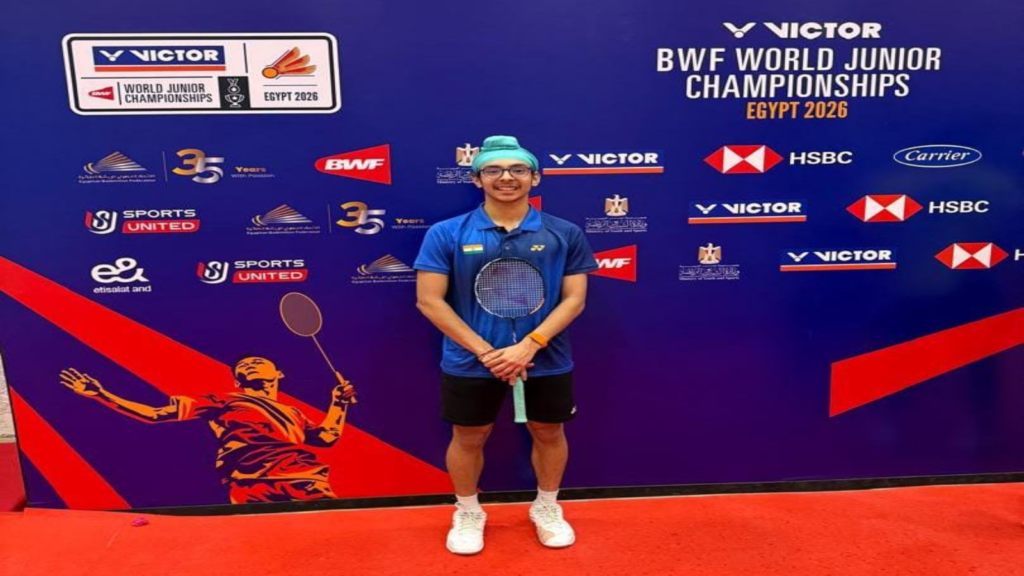
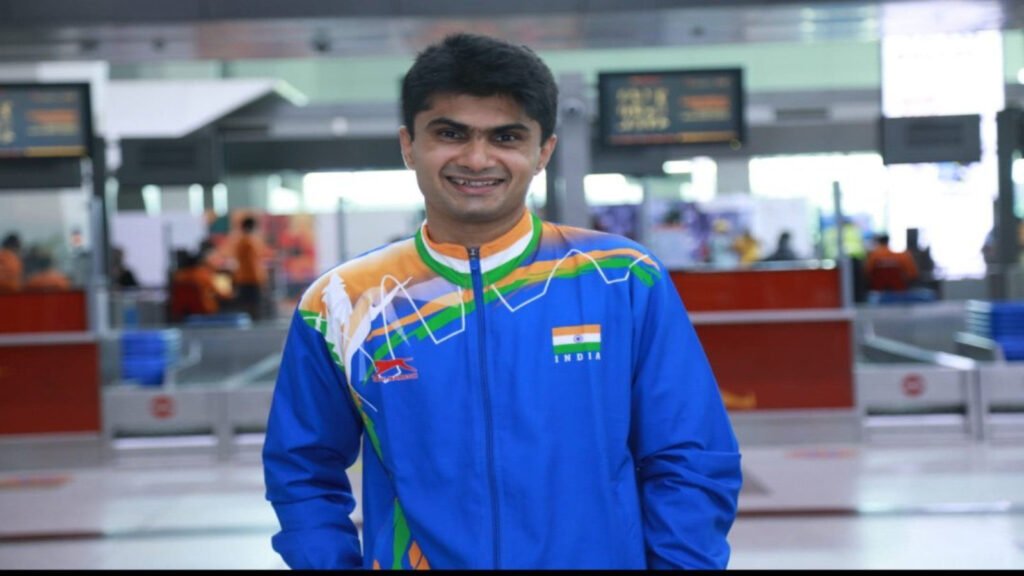
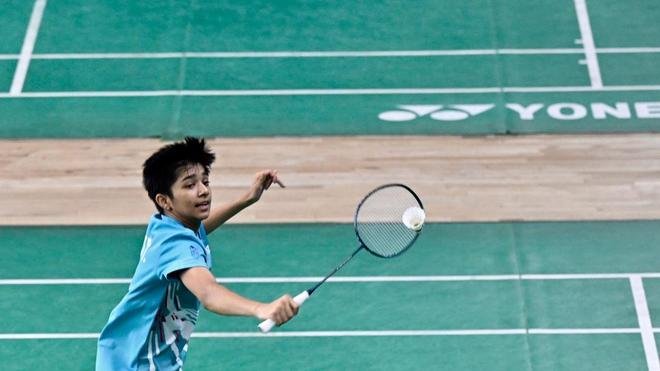
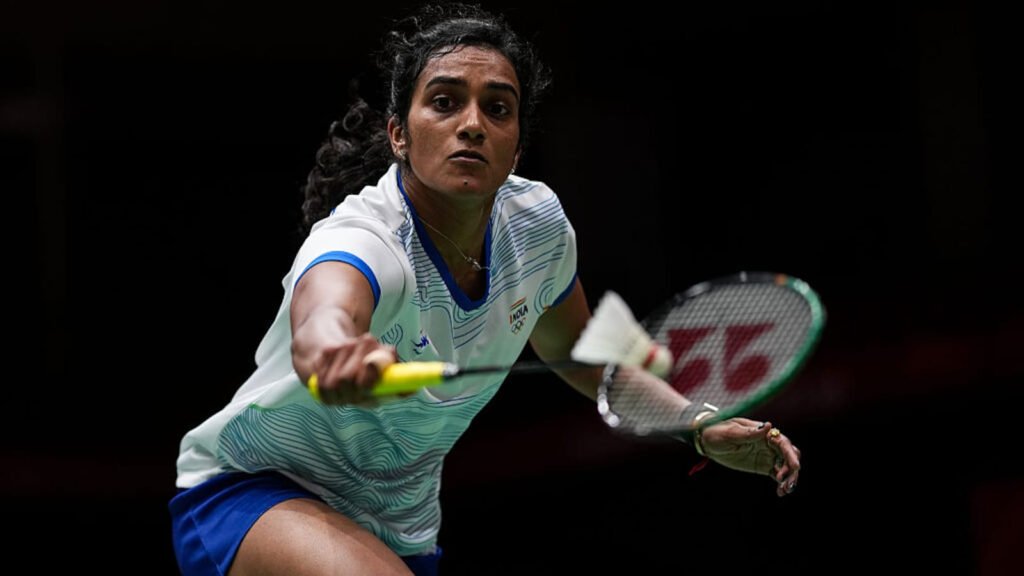
India is placing its hopes on two promising 21-year-olds, Sankar Subramanian and Isharani Baruah, as the nation prepares to send a refreshed challenge at the upcoming Korea Masters badminton tournament. The Super 300 event offers them a strong platform to stake their claim among the world’s rising talents.
Both athletes have shown steady progress in recent seasons, with results that suggest they are ready to transition from potential to performance. Their selection signals a strategic push by Indian badminton to invest in younger athletes who can learn through exposure on the global stage. The Korea Masters, held in South Korea, will test their readiness against diverse international opposition and under tournament pressure.
For the Indian squad, this dual leadership is both symbolic and pragmatic. On one hand, it breaks from traditional reliance on older, more experienced names; on the other, it reflects confidence in the country’s development pipeline. Sankar and Isharani will carry added weight—not just for what they might achieve this week, but for what their performances could signal about India’s next phase in badminton.
Their preparation will matter. Tournament draws, match rhythm, handling of media and expectations—all these variables will play out quickly once matches begin. For a young athlete especially, managing nerves and uncertainty is just as important as skill execution. Observers will watch how Sankar and Isharani cope with early challenges, adapt tactics mid-match and recover from setbacks.
In short: this Korea Masters appearance isn’t just another tournament start for these two; it’s a stepping-stone. If they perform well, they can accelerate toward greater global opportunities. If they falter, the lessons will still be valuable. Either way, for Indian badminton fans, the emergence of Sankar and Isharani offers fresh energy and hope for the sport’s future.


Discussion about this post