

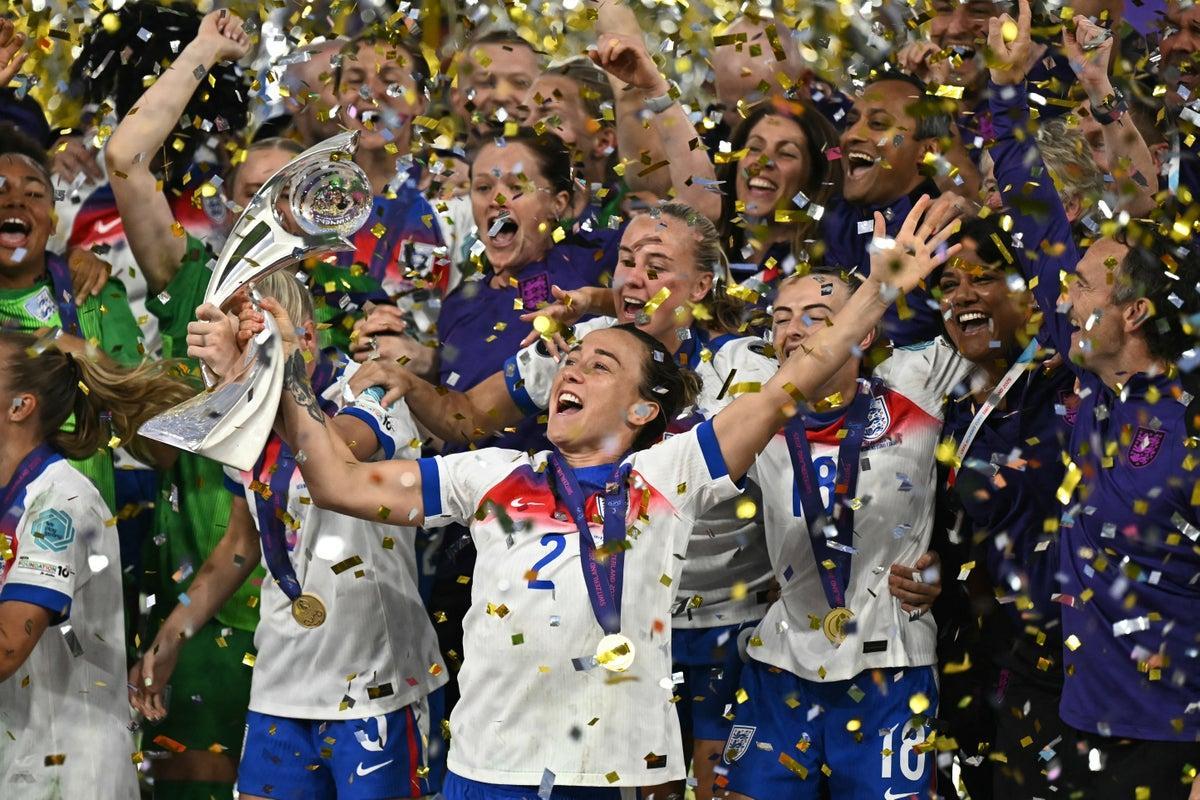
England’s triumph at Euro 2025 was celebrated as another milestone for women’s football. But amid the excitement, questions remain — has the success of the national team truly boosted the Women’s Super League (WSL) and the domestic game?
Mixed signs in WSL attendances
Following England’s Euro 2022 win and their 2023 World Cup final run, attendances in the WSL rose sharply. However, this season the average stands at around 6,500 per game — a slight dip compared to the earlier surge. Despite the season being young, with teams like Manchester City and Manchester United yet to host games in larger stadiums, the bounce seen three years ago hasn’t returned. Some clubs, though, are showing promise. Everton’s move to Goodison Park has seen crowds rise to over 6,000, while Manchester United recorded a club record of 8,665 fans for their draw against Arsenal.
Arsenal focus on loyal fans over big crowds
Arsenal Women, now playing all home matches at the 60,000-capacity Emirates Stadium, have drawn between 27,000 and 40,000 fans this season. Manager Renee Slegers insists the focus is on building a loyal fan base rather than chasing occasional full houses. The club has already sold 17,000 season memberships and continues to make the Emirates more inclusive, with added family facilities and visible recognition of the women’s team’s achievements.
Brands and visibility driving growth
Sponsorship and visibility continue to rise. The WSL’s £45m deal with Barclays, new partnerships with British Gas, and appearances in the upcoming Football Manager video game highlight growing commercial interest. Players like Alessia Russo and Leah Williamson now boast over a million Instagram followers, while grassroots participation among women and girls has surged since the Euros — showing that the game’s growth extends far beyond stadium numbers.













Discussion about this post