Why Yamaha Sees Hope Despite a 1.2-Second Deficit: The Bigger Picture Behind MotoGP’s Rebuild
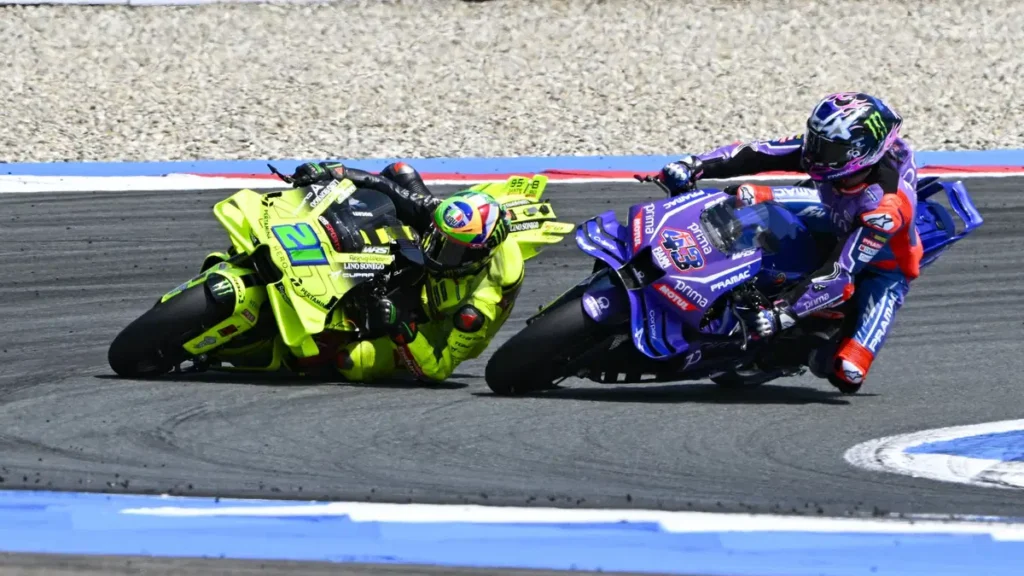
Yamaha Finds Optimism in Unlikely Numbers
At first glance, being around 1.2 seconds slower than the fastest MotoGP machine hardly sounds like a reason for celebration. But for Yamaha, currently rebuilding from the ground up, that figure represents meaningful progress rather than disappointment.
The Japanese manufacturer entered the 2026 MotoGP season with an all-new V4-powered M1 after moving away from its long-standing inline-four engine philosophy. The transition marked one of the biggest technical changes in Yamaha’s modern MotoGP history, making this season as much about development as results.
Pramac Yamaha Team Principal Gino Borsoi believes the current gap to the front is actually a positive sign, considering the scale of the project and the learning process involved. Rather than focusing only on race results, Yamaha is evaluating how quickly the new motorcycle is evolving.
Dutch GP Showed Encouraging Pace
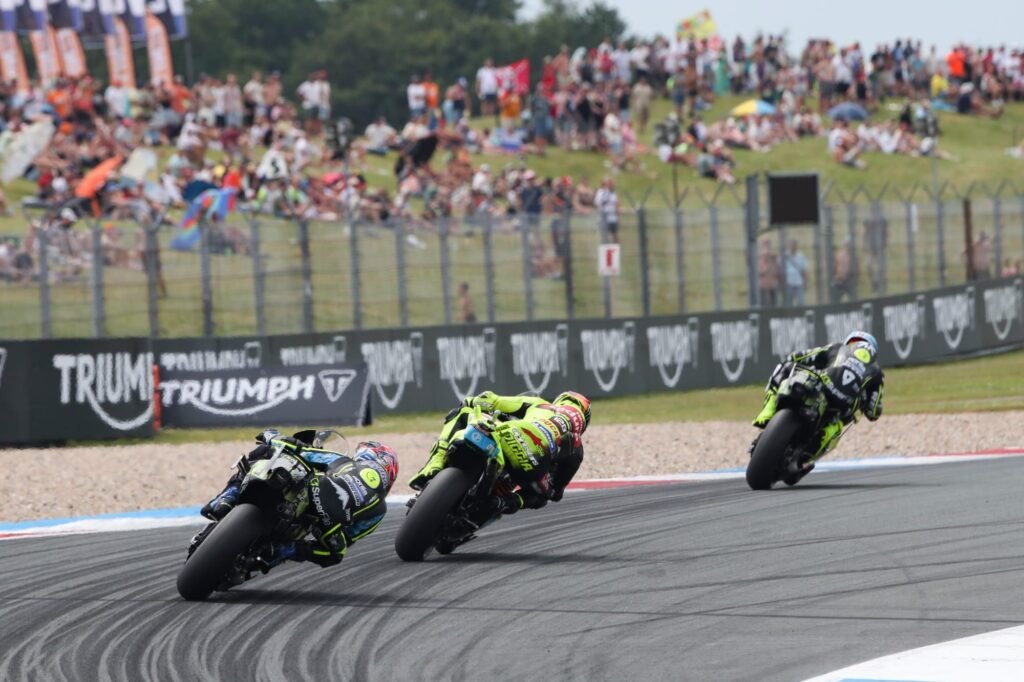
The Dutch Grand Prix at Assen provided several reasons for optimism.
Fabio Quartararo produced another impressive qualifying performance, finishing just 0.504 seconds away from pole position despite Yamaha’s ongoing performance limitations. During the race, Yamaha’s fastest lap was approximately 0.7 seconds slower than the benchmark, suggesting the package is becoming increasingly competitive over a race distance.
Although podium finishes remain out of reach, the data indicates Yamaha is gradually reducing the performance gap.
Constructors’ Championship Situation
After the opening 10 rounds of the 2026 MotoGP season:
Yamaha has yet to secure a podium finish.
The manufacturer trails Honda by 42 points in the Constructors’ Championship battle.
The team remains in a rebuilding phase while gathering valuable race data.
These statistics underline that Yamaha’s current objective extends beyond immediate victories to creating a stronger foundation for future success.
Why 1.2 Seconds Isn’t the Full Story
According to Borsoi, the lap-time deficit does not accurately reflect the progress Yamaha has made.
He explained that while the engine still lacks outright power, other key areas of the motorcycle have developed well. Aerodynamics, chassis balance and electronics are now performing at a competitive level, allowing the riders to stay relatively close despite the horsepower disadvantage.
In modern MotoGP, where every manufacturer operates at an exceptionally high level, improving multiple technical areas simultaneously is often more important than chasing one-off lap times.
Engine Power Remains the Biggest Weakness
The major obstacle continues to be straight-line performance.
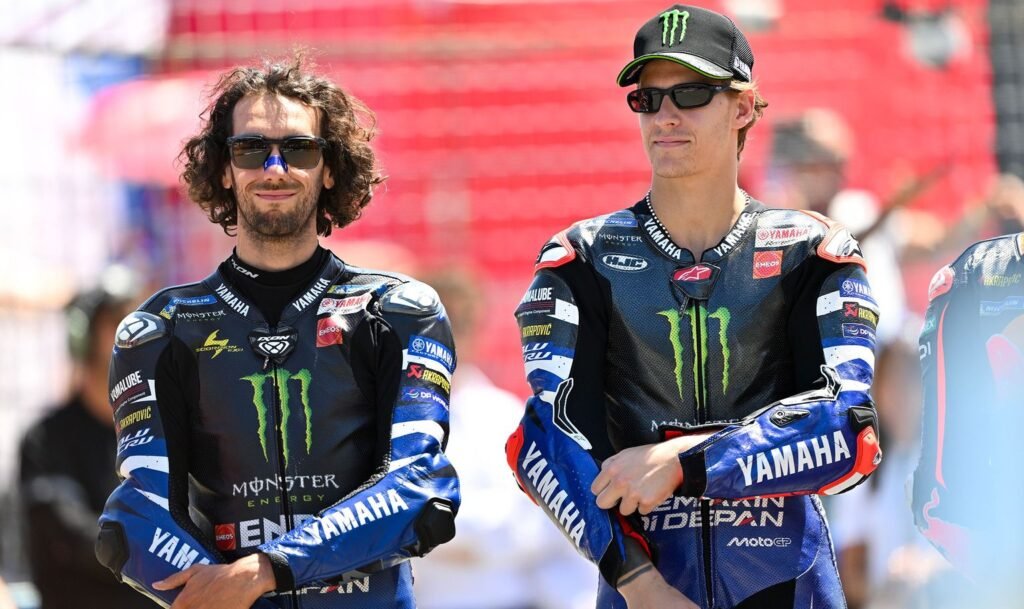
Jack Miller acknowledged that Yamaha riders are having to push the front end extremely hard to compensate for the lack of engine power, placing extra stress on the motorcycle during races.
Meanwhile, Alex Rins confirmed that Yamaha is preparing additional updates for its current 1000cc engine later this season. Borsoi also revealed that the team could introduce one or even two more engine upgrades before the championship concludes, even as development work gradually shifts towards MotoGP’s upcoming 850cc regulations.
Looking Ahead
Yamaha always expected the first half of the 2026 campaign to serve as a learning period. Instead of chasing immediate race wins, the factory has concentrated on understanding its new V4 platform and building a stronger technical package for the future.
While the current results may not reflect Yamaha’s championship-winning history, the steady reduction in lap-time deficit suggests the project is moving in the right direction. If the planned engine upgrades deliver the expected gains, Yamaha could become a far more competitive force during the second half of the season.
For now, the stopwatch may still show a gap—but inside the Yamaha garage, that gap represents progress rather than failure.