Smashing Hurdles With Shuttle
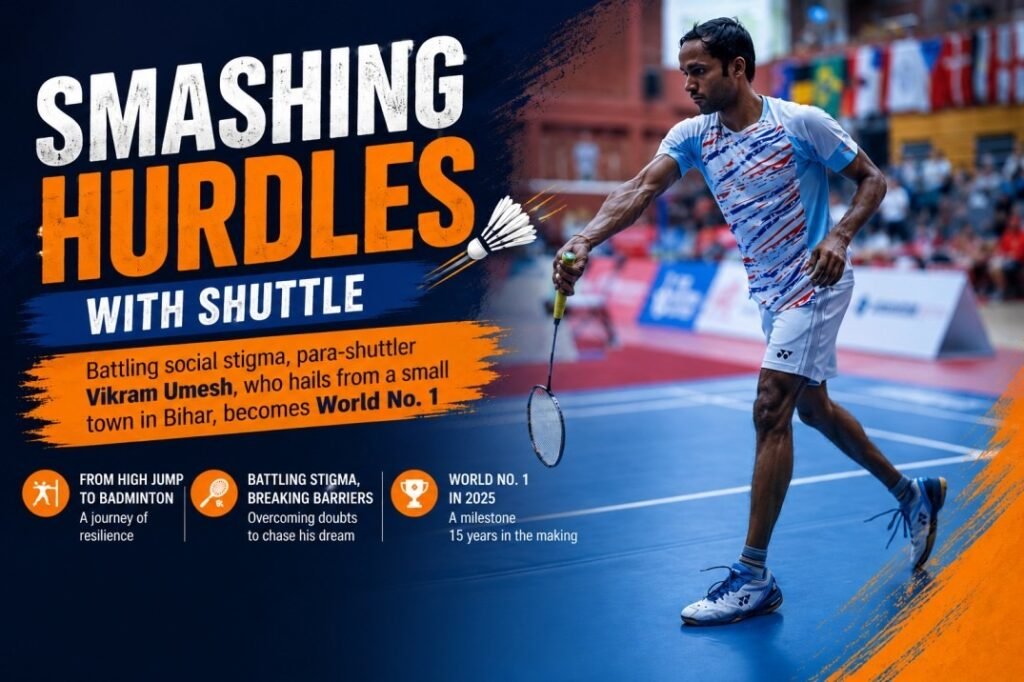
Bhubaneswar: What defines strength? Often, the society identifies strength based solely on the physical capabilities of an individual. Consequently, the stigma around physical limitations or disability is deeply-rooted in our society. Such narrowed perceptions are major hurdles that a para-athlete has to jump over on his or her way to the stadiums.
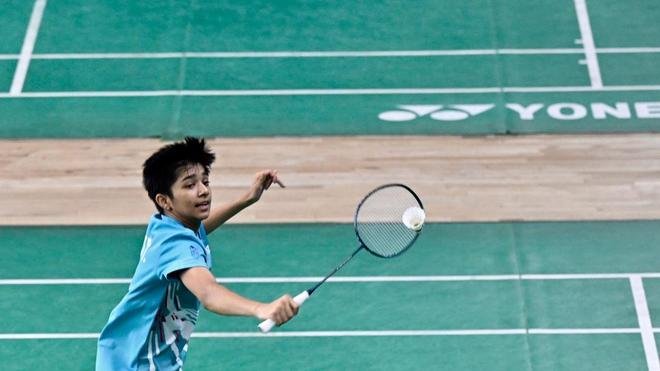
The story of para-shuttler, 36-year-old Vikram Umesh, is also similar. In 1992, he was affected by polio virus in his left leg at the age of 2. Though he faced mobility challenges, he grew a passion for sports at that tender age. He would show interest towards sporting activities in the school since his second standard days. But people in his humble home town, Pupri in Bihar’s Sitambari district, would often cast doubt on his abilities.
High jump and his challenges
Despite facing discrimination at times, he started participating in high jump competitions in school. While he was studying in the fifth standard in DAV school, he appeared for the selection trial for a high jump event. He proved his strength by securing the first position in the trails. But his victory at that stage wasn’t enough to spare him from the stigma that society nurtured. He faced the stigma, but this time with a conviction of turning things around in the game of life. It was an incident around this time that paved the way for him to become World No. 1 para-shuttler in 2025.
“The sports teacher was apprehensive about my capabilities. He wanted to have physically fit students for the school team. He wanted children, who could take up multiple sports. But I was playing only one sport, high jump. This incident was an emotional set back. I was disheartened. However, I took it up as a challenge and refused to sit back. I wanted to play like any other child,” he recalled.
When he faced an injury
With this zeal, he continued his leap in high jump that later propelled his sporting success. As he joined the Birla Institute of Technology, Mesra in Ranchi for pursuing a bachelor in engineering course in 2009, he came across better infrastructure for sports, unlike his schooling days with limited resources. During the college’s annual sports meet, he competed able-bodied athletes in his college and secured the second position in high jump. This medal came at the cost of an injury and also changed the course of his sporting career.
Switching over to badminton
“I suffered an ankle injury at this event. This was a huge setback that forced me to give up on high jump,” he said. However, the unflinching spirit of sportsmanship was intact and in 2010 he turned to badminton. Something that he took it up as a hobby fetched him global recognition later.
‘Had to wait for hours on the court…’
In 2011, he participated in the para-badminton nationals in Odisha. “For the first time, I met athletes from across the country. This was a boost to my confidence. I realized my love for badminton. I wanted to continue playing badminton, thrilled by the amount of hand-eye coordination and agility it required,” he said. As he returned to his college after the national exposure, he had made up his mind that he would build a career in badminton. Challenges were a plenty even then. “It wasn’t an easy run. I faced several hurdles. To begin with, I had to wait for hours at the badminton court for my turn. It was all due to social stigma. For 10 minutes of practise, I would wait for about 2 hours,” he said. This continued for over a year. But as he refused to be bogged down, eventually perceptions changed in the final year of his course. His college helped him in shaping up his sporting career. He was also awarded the best sportsperson award in his college.
Shining on the global stage
Amid all such ups and downs, he continued playing badminton at the national level and fetching medals. In 2014, he forayed into the international level. “Till 2017, it was a struggling period. The sports equipment were costly. I wasn’t able to afford training and equipment. In 2017, I was selected for a World Championship in South Korea, where I won a bronze medal. It was a turning point. Even before 2017, I had got medals in open tournaments at the international level,” he said.
Tryst with Tata Sports
He also shifted to Jamshedpur from Ranchi in 2017. Around this time, he started receiving support from Tata Sports for training and accommodation. In 2018, he joined Tata Group as an employee as a sports manager. In 2019, he won a bronze medal in World Championship in Basel, Switzerland.
During the Covid pandemic, he suffered another ankle injury and had to be operated due to cartilage detachment and torn ligament. When asked what has been his greatest achievement so far, he said, “winning medal in a Asian championship last year was truly special as in all the previous international championships, I won medals in doubles. For the first time, I won medal in singles category at this championship. In 2025, I also became the world no. 1 in both men singles and doubles categories for the first time in my career of 15 years,” he said.
Game strategy
As an international player, he has strategized his game over the years. Before the actual match day, he does his virtual practice in the mind, analysing the positives and negatives of his opponent. “Prior to the game, I calm down and minimize external disturbances, and try to focus on my game. I think of my opponent, what kind of technique he uses. During the match, even if I lose points, I don’t panic,” he shared.
The para-shuttler credits much of his success to the efforts of Tata Sports. “When I had joined Tata Steel, I was world ranking was 22, and in 2025, I became the World No. 1. Thus, they have been a major support. They have provided training facilities. The training team at the high performance centre is international level. The strength and conditioning coach here modifies the training as per my body’s requirements, be it for weight or muscle management,” he said.
The inspirational players
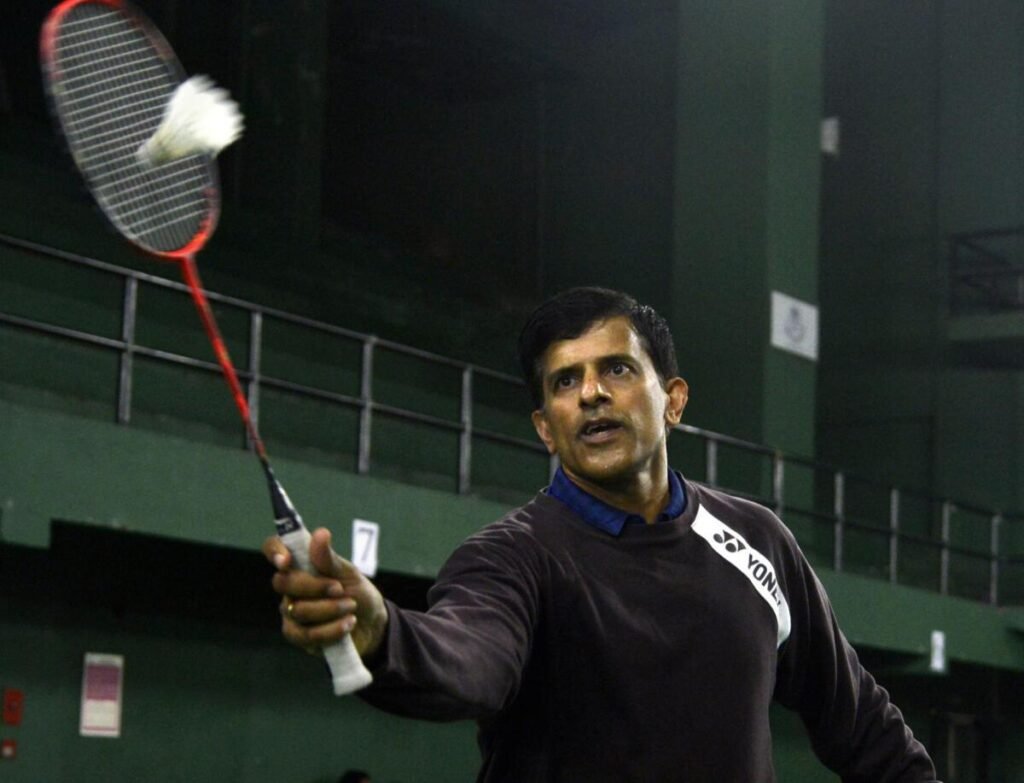
In para-badminton, he draws inspiration from Malaysian player Cheah Liek Hou. Besides, among able-bodied players, he feels Saina Nehwal has immense contribution to the sports. “She brought laurels to the country when badminton was not that popular in India,” he said. He also feels his coach, Vivek Kumar Sharma, helped him to understand his strength and weaknesses well. For budding athletes, he has his piece of advice. “Dedication and visualization are important in any sports you play. Also, try not to get upset over defeats,” he said.