Minnows No More: Associate Nations Shake Cricket’s Power Order at T20 World Cup 2026
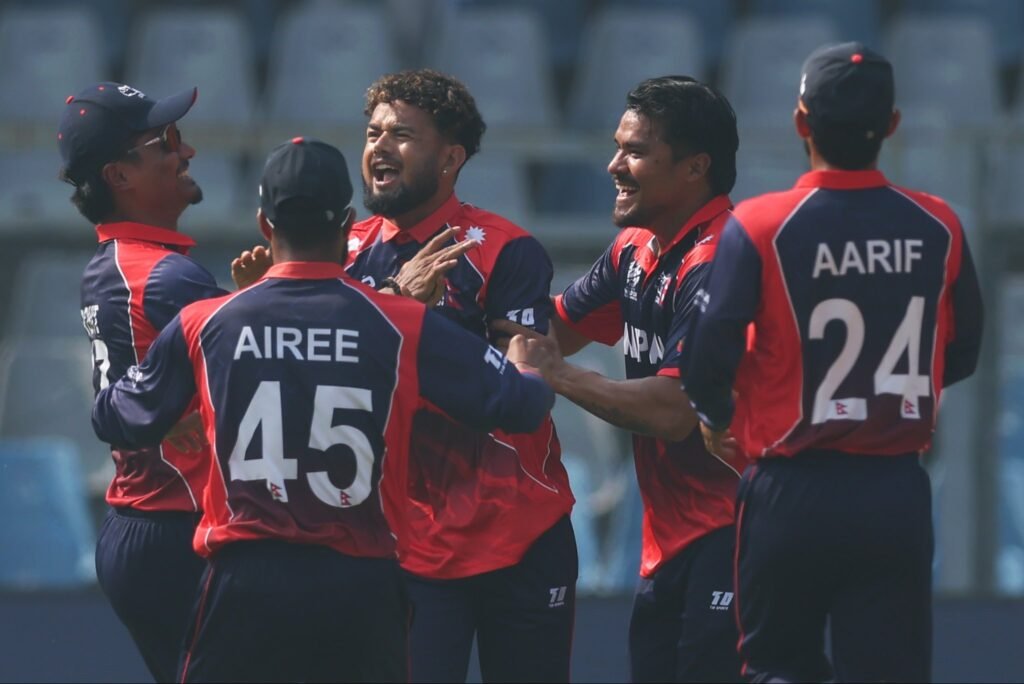
Mumbai: The 2026 ICC Men’s T20 World Cup is barely two days old, yet one message is already echoing across venues and dressing rooms alike: the age of easy wins against Associate nations is over.
What was expected to be a smooth opening stretch for cricket’s traditional heavyweights has instead turned into a gripping contest of survival. At iconic grounds from Mumbai to Colombo, Associate teams have ripped apart the “minnow” label, pushing global giants to the brink and forcing them to scrape through with pride — if not points — barely intact.
Wankhede Becomes the Theatre of Resistance
Mumbai’s Wankhede Stadium has emerged as the epicentre of this early World Cup rebellion.
England vs Nepal (February 8)
Two-time champions England were pushed to the edge by a fearless Nepal side, eventually escaping with a narrow four-run victory. Chasing 185, Nepal finished on an impressive 180/6, threatening to script one of the greatest upsets in World Cup history.
Needing just 10 runs off the final over, Nepal looked poised to cross the line before Sam Curran held his nerve under intense pressure. Lokesh Bam’s unbeaten 39 off 20 balls kept England sweating till the final delivery.
The backbone of Nepal’s chase was a commanding 82-run partnership between captain Rohit Paudel (39) and Dipendra Singh Airee (44), a stand that briefly tilted the contest decisively in Nepal’s favour.
India vs USA (February 7)
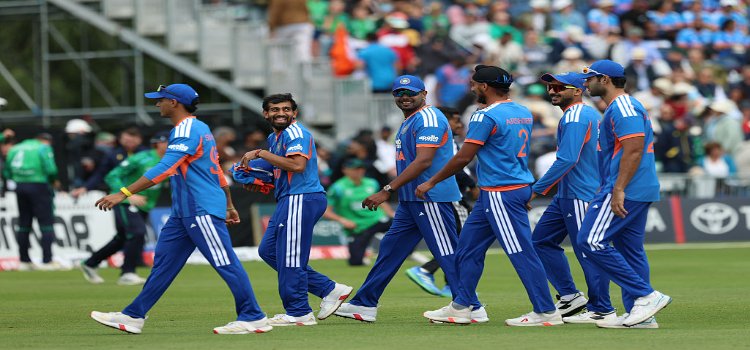
A day earlier at the same venue, defending champions India endured a stunning collapse against a spirited USA bowling attack. Reduced to 77/6, India were left scrambling for stability as Shadley van Schalkwyk tore through the top order with figures of 4/25.
It took a captain’s knock from Suryakumar Yadav — an unbeaten 84 off 49 balls — to rescue India and push the total to 161/9. The USA, refusing to fade away, stayed competitive through Shubham Ranjane (37) and Sanjay Krishnamurthi (37) before closing at 132/8.
Netherlands Push Pakistan to the Brink
The drama wasn’t confined to Indian shores. In Colombo, Pakistan were forced into a last-over chase by a resilient Netherlands side. Pursuing 148, Pakistan imploded in familiar fashion, losing three wickets for just two runs in the middle overs.
A late cameo from Faheem Ashraf ultimately steered Pakistan home by three wickets with only three balls remaining — but not before the Netherlands exposed once again how fragile established orders can be under pressure.
A Pattern, Not a Surprise
These performances are no longer isolated shocks; they are part of a widening pattern in modern T20 cricket where preparation, analytics, and fearless intent have closed the gap between the elite and the emerging.
Recent history tells the same story:
2024: USA stunned Pakistan
2022: Namibia beat Sri Lanka; Ireland knocked out England
2016: Afghanistan defeated eventual finalists West Indies
2009 & 2014: Netherlands twice humbled England
“There are no ‘minnows’ in T20 cricket anymore,” Namibia captain Gerhard Erasmus had famously remarked. “The tags need to be removed. We are here to compete, not just participate.”
As the 2026 World Cup gathers momentum, the warning to cricket’s powerhouses is unmistakable. Underestimate the Associate nations at your own peril — because in this format, reputation alone no longer guarantees survival.
Source: ICC, Deccan Herald