The expanded 48-team FIFA World Cup has produced unforgettable stories and welcomed new nations onto football’s biggest stage. Yet, as the group phase concluded, questions remained over whether the new format truly enhanced the tournament.
Cape Verde become the tournament’s biggest success story
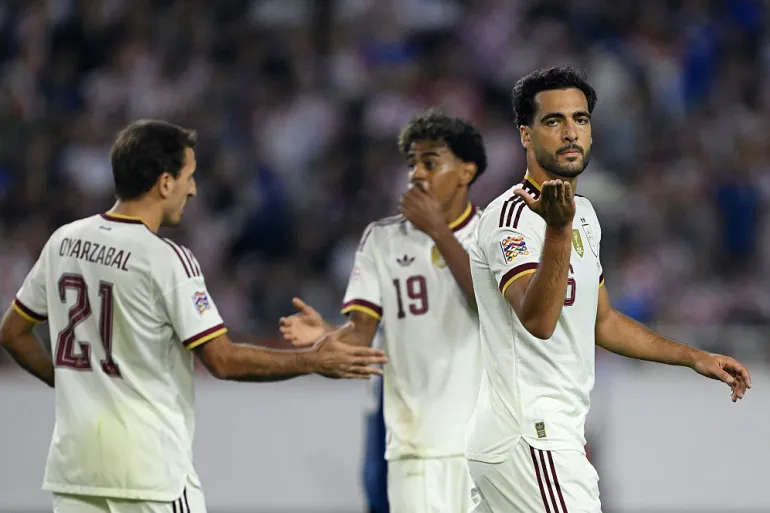
Cape Verde emerged as the standout underdog after reaching the knockout stage on their World Cup debut. The Atlantic island nation, with a population of just over 500,000, became the smallest country ever to progress beyond the group stage after finishing runners-up in Group H ahead of Uruguay.
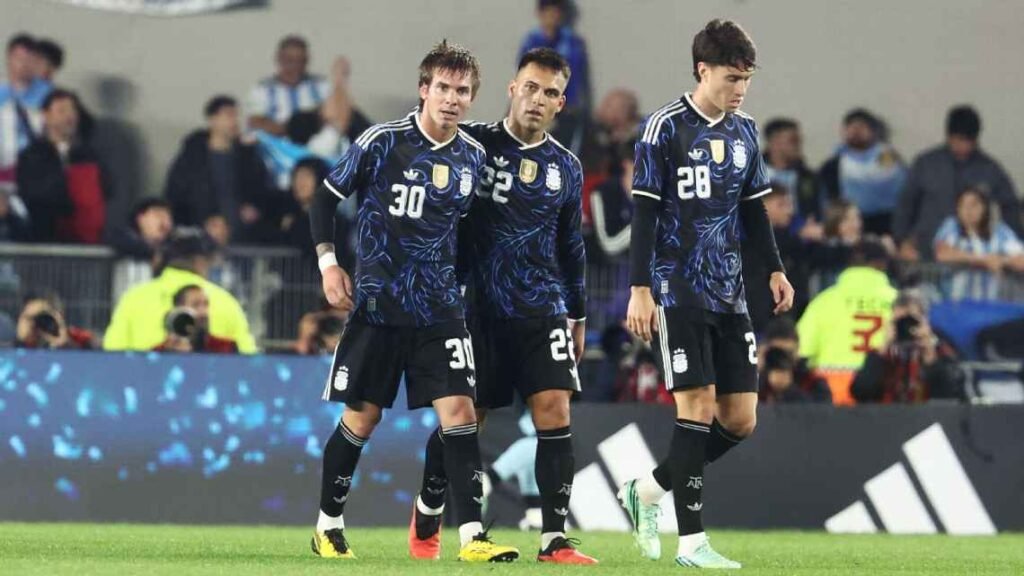
Their remarkable campaign included draws against Spain, Uruguay and Saudi Arabia, earning a last-32 clash with defending champions Argentina.
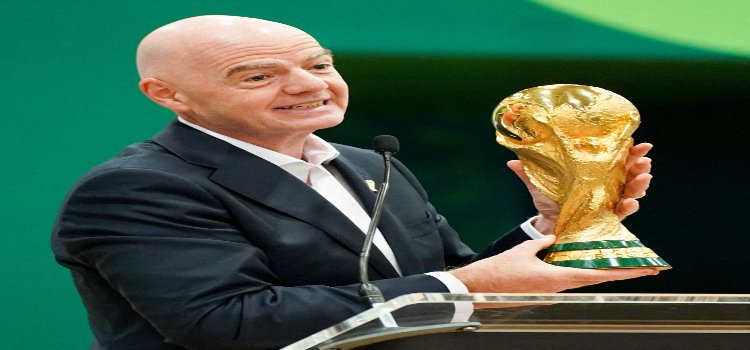
The Blue Sharks became the perfect example of FIFA president Gianni Infantino’s vision behind expanding the tournament, proving smaller nations can compete on the global stage.
Several other countries also enjoyed historic moments. Bosnia and Herzegovina, Canada, Ivory Coast and South Africa reached the knockout rounds for the first time, while DR Congo advanced as one of the best third-placed teams.
African teams shine as Asia struggles
Africa emerged as one of the biggest winners under the expanded format, with nine of its ten representatives progressing to the knockout stage.
However, Asia endured a disappointing campaign. Despite having nine teams in the tournament, Asian nations managed only three wins from 27 group matches, with Japan and Australia the only sides to qualify.
Concacaf also struggled outside the three co-hosts, as Curacao, Haiti and Panama combined for just three goals while conceding 21.
Third-place qualification reduced tension
While the expanded competition created more opportunities, it also reduced the pressure on many traditional football powers.
Four group winners secured top spot with a match to spare, while five teams were already eliminated before the final round of fixtures.
Allowing eight third-placed teams to qualify meant several teams progressed despite inconsistent group-stage performances, reducing the do-or-die nature that had defined previous World Cups.
The use of head-to-head as the first tiebreaker instead of goal difference also removed late drama in several groups, leaving many final-round matches with little at stake.
Goals increase but competitive balance questioned
The tournament has produced nearly three goals per game during the group stage — the highest scoring rate since the 1998 expansion to 32 teams.
However, many matches became one-sided. There were 18 victories by margins of three goals or more, compared to just five at the 2022 World Cup.
The new format also created an uneven battle among third-placed teams, with countries playing in later groups benefiting from knowing exactly what results they required to qualify.
Knockout stage now takes centre stage
Despite concerns over the group-stage structure, the expanded tournament has succeeded in delivering fresh narratives and giving smaller nations an unprecedented opportunity to shine.
With the last 32 now underway, the competition enters its decisive phase, where every match becomes a knockout and the margin for error disappears.
The group stage may have lacked tension for many of the favourites, but it has laid the foundation for what promises to be a dramatic race to the World Cup title.


Discussion about this post