Headline:
Kabaddi’s Global Push Gains Momentum as Traditional Sport Eyes International Recognition and Wider Audience Base
Subtitle:
From grassroots initiatives to international leagues and improved broadcasting, kabaddi is steadily evolving into a globally recognised sport with growing investment and professional structure
Rising Beyond Traditional Strongholds
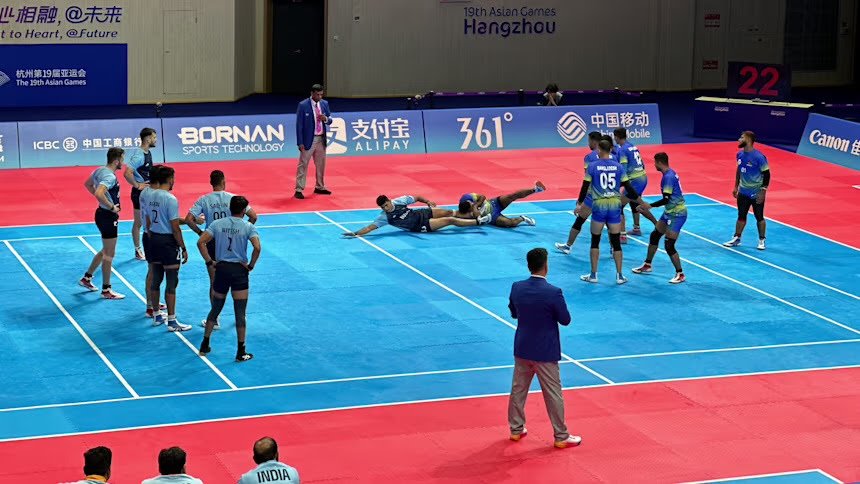
Kabaddi, a sport deeply rooted in South Asian culture, is steadily breaking geographical barriers and finding new audiences across the globe. Once primarily played in countries like India, Iran, and Bangladesh, the sport is now gaining traction in regions such as Europe, North America, and parts of East Asia. This expansion is being driven by a combination of strategic promotion, international competitions, and increasing interest in alternative sports formats.
The rise of kabaddi on the global stage reflects a broader trend of traditional sports seeking modern platforms. With its fast-paced gameplay, physical intensity, and minimal equipment requirements, kabaddi has proven to be both accessible and entertaining for diverse audiences.
Role of International Leagues and Exhibitions
A key factor behind kabaddi’s growing popularity is the emergence of international leagues and exhibition matches. These events are not only showcasing the sport to new viewers but also providing players with opportunities to compete at higher levels. Professional leagues have introduced structured formats, franchise-based teams, and commercial backing, all of which have contributed to elevating the sport’s profile.
Exhibition matches in non-traditional markets have also played a crucial role. By bringing live action to new regions, organisers are creating awareness and sparking interest among local communities. These initiatives are gradually building a fan base that extends beyond the sport’s traditional roots.
Focus on Broadcasting and Accessibility
Improved broadcasting strategies are another major driver of kabaddi’s global expansion. Matches are now being streamed and televised across multiple platforms, making it easier for international audiences to follow the sport. Enhanced production quality, expert commentary, and digital engagement have significantly improved the viewing experience.
Organisers are also leveraging social media to connect with younger audiences. Short-form videos, highlights, and behind-the-scenes content are helping to create a more engaging and interactive ecosystem around the sport. This digital push is essential in positioning kabaddi alongside other globally recognised sports.
Player Development and Infrastructure
The growth of kabaddi is not limited to its visibility alone. There has been a strong emphasis on improving player training and infrastructure. Modern training facilities, scientific coaching methods, and better fitness regimes are enabling athletes to perform at higher levels.
Young players now have access to professional pathways, which was previously limited. This has not only improved the quality of the game but also increased its competitiveness on the international stage. Countries new to kabaddi are investing in grassroots programs to develop local talent, ensuring sustainable growth.
A Promising Road Ahead
Kabaddi’s journey from a traditional rural sport to an emerging global discipline highlights its immense potential. With continued investment, strategic planning, and international collaboration, the sport is well-positioned to expand further.
While challenges such as standardisation and global governance remain, the current trajectory suggests a bright future. As more nations embrace kabaddi, it is gradually transforming into a sport that resonates across cultures, promising an exciting and dynamic evolution in the years to come.


 Sohini Mukherjee
8 Oct 2026 · 8:46 PM IST
2 min read
7 Reads
Sohini Mukherjee
8 Oct 2026 · 8:46 PM IST
2 min read
7 Reads