

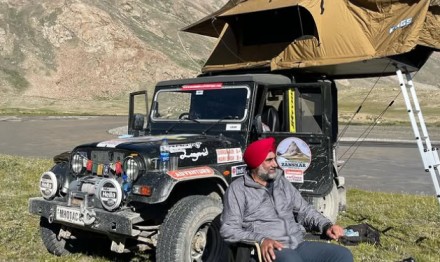
For decades, Hari Singh wasn’t just a name in Indian motorsport—he was a symbol of grit, endurance, and fearless driving. Nicknamed the “Gypsy King,” he dominated rally circuits through the 1990s and early 2000s, winning multiple national titles and even conquering the Asia Zone Rally Championship.
From the treacherous Himalayan Rally routes to international stages, Singh helped define rally racing in India—mentoring young drivers and shaping the sport’s growth long after his competitive peak. But today, the man who mastered the most unpredictable terrains is at the centre of a far more uncertain and heartbreaking story.
The Night That Changed Everything
The incident unfolded in the early hours of March 19 in the Maldives—far from rally tracks and roaring engines. A speedboat carrying seven people, including Singh and industrialist Gautam Singhania, capsized near V Felidhoo island in the Vaavu Atoll.
While several passengers were rescued, Singh was among two individuals reported missing after the accident. Singhania, who sustained minor injuries, was evacuated and later returned to Mumbai for treatment. But for Singh, there was no immediate rescue—only a growing silence in the vast expanse of the sea.
Race Against Time: The Search Intensifies
As hours turned into days, search and rescue operations intensified across the region.
The Maldives National Defence Force Coast Guard launched extensive efforts, scanning waters and narrowing focus toward coral reef zones where the boat is believed to have overturned. Divers, rescue teams, and surveillance units worked relentlessly, battling both time and challenging underwater conditions.
Hope, however, began to fade with each passing hour. Reports indicated that search teams were concentrating efforts around reef sections—areas where visibility is low and navigation is difficult, complicating recovery operations.
For family, friends, and the motorsport community, every update became a moment of anxious anticipation.
A Community Holds Its Breath
Back home in India, especially in Chandigarh where Singh hailed from, concern quickly turned into collective grief and prayer. Motorsport circles—drivers, teams, and fans—rallied in solidarity, remembering not just his achievements, but his humility and mentorship.
He wasn’t just a champion on the track; he was a guiding force off it. From training young racers to shaping grassroots motorsport programs, Singh’s legacy extended far beyond trophies. As the search continued, tributes began pouring in—each one echoing the same sentiment: hope against hope.
A Grim Turn in the Search
As the operation entered its second day, reports suggested a tragic possibility. Authorities indicated that bodies believed to be Singh and the boat’s captain may have been located deep within coral reefs—areas difficult to access and recover from.
While official confirmations and recovery efforts continued, the news cast a shadow over what had begun as a rescue mission. For many, it marked the moment when hope gave way to heartbreak.
More Than an Accident: A Stark Reminder
The tragedy underscores the unpredictability of life—even for those who have spent decades mastering risk. Hari Singh built his career navigating danger—high speeds, harsh terrains, and extreme conditions.
Yet, it was an unforeseen moment, far from competition, that proved most perilous. It also raises broader concerns around marine safety, emergency preparedness, and response time in remote tourist zones.
A Legacy That Outlives the Silence
Whether on the rugged trails of the Himalayas or in the hearts of aspiring racers, Hari Singh’s journey is one that will endure. His story is no longer just about victories or championships—it is about resilience, passion, and a life lived at full throttle.













Discussion about this post