Teenage Prodigy from Tashkent Crowned Chess King

Goa, India : In a dramatic finale held in sunny Goa, 19-year-old Uzbek grandmaster Javokhir Sindarov etched his name into chess history — becoming the first ever player from Uzbekistan to win the FIDE World Cup, and the youngest champion ever.
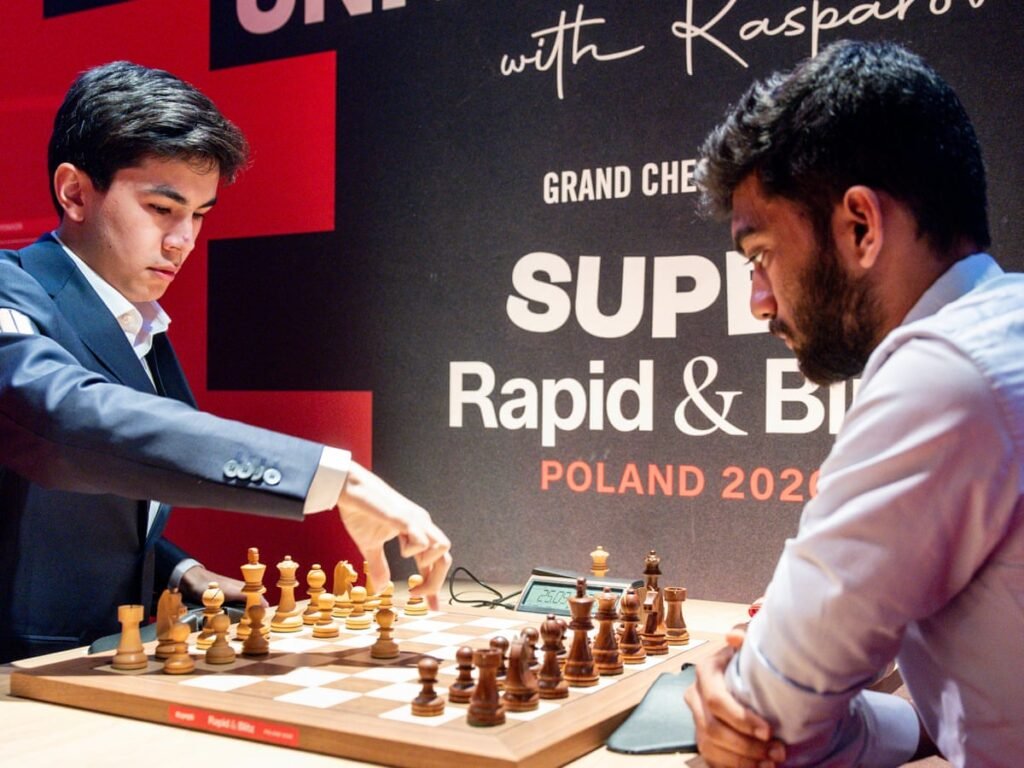
Sindarov — originally seeded 16th — navigated a grueling knockout marathon against 205 top-level competitors before confronting China’s Wei Yi in the final. After two classical games ended in draws, the fate was decided in rapid tiebreakers.
In the first rapid game, Wei Yi blundered in a balanced position — an opportunity Sindarov surprisingly missed. But instead of faltering, the Uzbek remained composed in the second game, secured the win with Black, and clinched the title 2½–1½.
Why This Victory Is Historic
At 19 years old, Sindarov becomes the youngest champion in the World Cup’s storied history, a record previously held by players who won much later in their careers.
His triumph marks the first time an Uzbek player has ever lifted the World Cup trophy — a milestone for chess in Central Asia.
The win also earns him a coveted spot in the upcoming 2026 FIDE Candidates Tournament — putting him firmly on the path toward a potential world championship challenge.
A Glimpse of Sindarov’s Journey
From a prodigy — he earned the grandmaster title at just 12 years and 10 months old — Sindarov entered the 2025 World Cup as a relatively modest seed.
Along the way to the final, he eliminated several formidable opponents, surviving tense classical games and clutch rapid tie-breaks — including a semifinal triumph over his fellow Uzbek, Nodirbek Yakubboev.
The final itself was a test of nerve and strategy. Wei Yi — a respected and dangerous opponent — held his ground in classical play, yet succumbed under time pressure in the decisive rapid game. Sindarov capitalized on the lapse, demonstrating maturity beyond his years.
Beyond the Trophy — What It Means
Sindarov’s win isn’t just a personal triumph — it signals a shift in the global chess landscape. Young talents from unconventional chess-power regions are rising fast, ready to challenge traditional heavyweights.
For Uzbekistan — already a force in team events — this victory sends a message: their generation is ready to dominate individually as well. For the chess world, it’s a bold reminder that brilliance and composure at the board are no longer tied strictly to age or pedigree.
As the confetti settles in Goa and the applause fades, one thing is clear: Javokhir Sindarov isn’t just the future of chess — he is very much its present.