

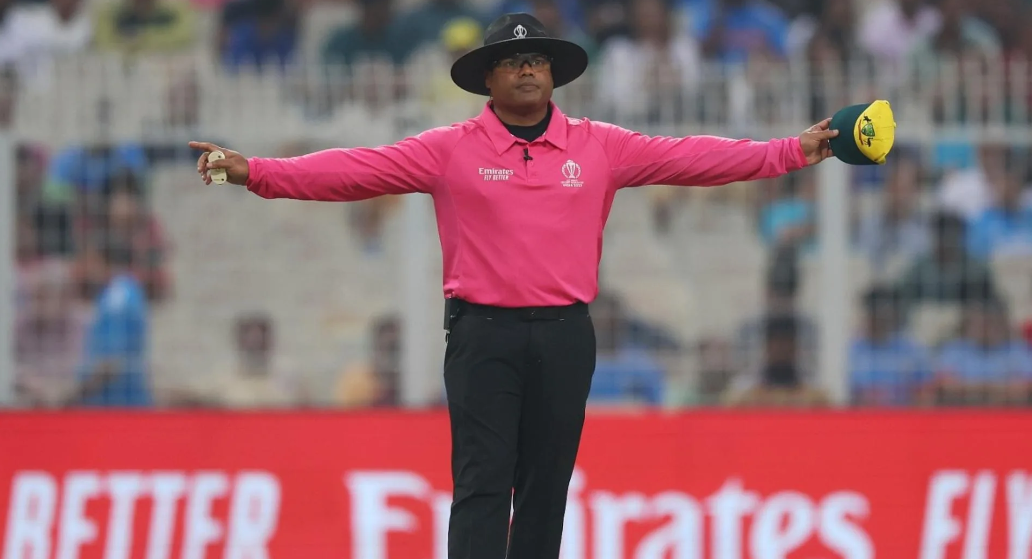
Odisha, Bhubaneshwar- Cricket, particularly its fast-paced white-ball formats, is constantly evolving. The International Cricket Council (ICC) is set to trial a significant change to the wide ball rule in ODIs and T20Is from October, aiming to rebalance the contest between bat and ball. This new interpretation is designed to counter a tactic commonly employed by batters and promises to reshape strategy for both batsmen and bowlers.
What is the New Wide Ball Rule?
The core of the change lies in the reference point for judging a leg-side wide.
- Current/Old Rule: Previously, an umpire would adjudge a wide if the ball passed wide of where the striker was standing (or had stood after the ball came into play), and it would also have passed wide of the striker in a normal batting position. This meant that if a batter shuffled across the crease, deliveries that would have been within their reach from a normal stance could be called wide if they were now out of reach due to the batter’s movement.
- New Trial Rule (from October 2025):
- The batter’s leg position at the point of delivery will now be the primary reference point for judging a wide.
- Even if the batter subsequently moves across to the off-side (towards the leg-side for a right-hander, or off-side for a left-hander), the ball will not be called a wide if it passes between the leg stump and a specific “protected area marker” at the popping crease.
- To assist umpires, the protected area marker line will be extended to the popping crease as a visual guide.
- This essentially gives bowlers a more fixed target area down the leg side, irrespective of the batter’s lateral movement during the delivery stride. Any leg-side delivery passing behind the batter’s legs and outside this extended line at the popping crease may still be called a wide.
This trial aims to provide more leniency for bowlers when batters move around their crease to create or negate angles.
How Will This Rule Impact Batters?
The new wide rule is expected to have several key impacts on batting strategies and skills in white-ball cricket:
- Reduced Manipulation of Wide Calls: Batters will no longer be able to intentionally shuffle far across their stumps to force marginal leg-side deliveries into wide calls. This removes a significant advantage they previously held.
- Emphasis on Traditional Leg-Side Shots: Modern white-ball batting often prioritizes power-hitting through flat-bat shots, with delicate leg-side glances and flicks becoming less common. The new rule may necessitate a revival of these traditional strokes. Batters will need to adapt their technique to score off deliveries that might now be deemed “in play” but are still close to their pads.
- Increased Risk for Excessive Movement: Batters who excessively shuffle across the stumps may find themselves leaving deliveries that are no longer called wide, increasing the risk of missing scoring opportunities or even being dismissed.
- Sharper Bat-Ball Contest: Initial trials, like a similar concept used in the Tamil Nadu Premier League (TNPL), showed a noticeable drop in wide balls without a corresponding decrease in total runs or sixes. This suggests batters adapted and the game became a sharper contest.
- Encourages Innovation from Bowlers: Bowlers, particularly pacers, will gain more margin for error on the leg side. This could encourage them to bowl straighter, targeting the stumps more often, and perhaps even bringing the “stump yorker” back into play more effectively without fear of it being called wide. It could also encourage more aggressive swing bowling tactics.
- Tactical Shifts: Captains might reconsider field settings, potentially opting for more leg-side heavy fields, especially in ODIs where only four fielders are allowed outside the circle during certain phases.
Overall, the new wide ball rule is a strategic adjustment by the ICC to restore balance to white-ball cricket, challenging batters to refine their technique and encouraging bowlers to be more assertive with their lines.










Discussion about this post