Jan Ullrich Breaks His Silence on Doping: The Price of a Career Built in Cycling’s Darkest Era
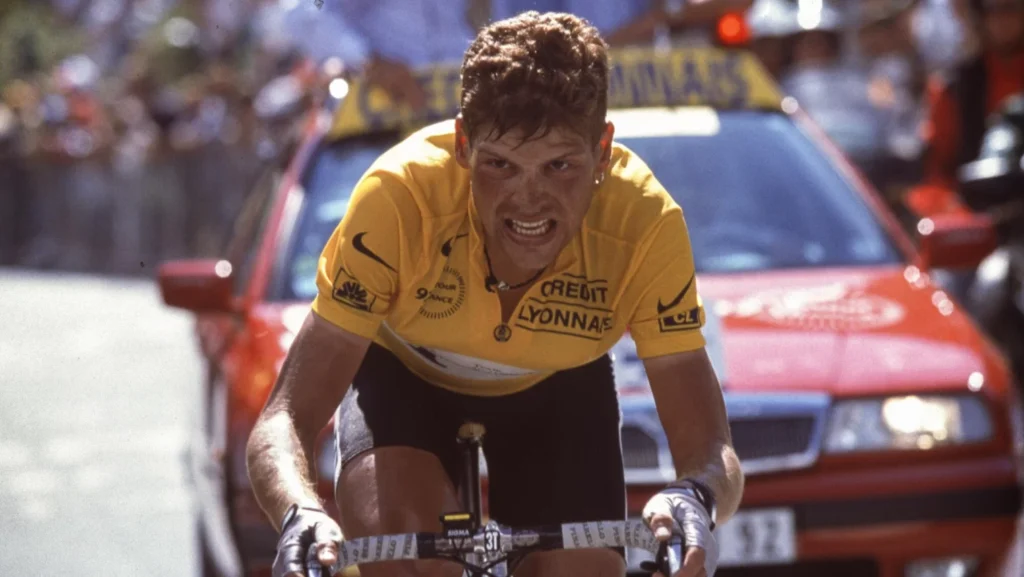
Jan Ullrich remains one of the most accomplished and controversial figures in modern cycling. The German rider once stood at the summit of the sport, winning the 1997 Tour de France and becoming a symbol of a new generation of powerful stage racers.
But behind those victories was a doping scandal that eventually reshaped his legacy.
Years later, Ullrich has become increasingly open about that period of his life, discussing not only doping itself but also the personal consequences of remaining silent for so long.
A Champion Who Reached the Top
Ullrich announced himself as a major force in professional cycling during the 1990s. His breakthrough came at the 1996 Tour de France, where he finished second overall behind teammate and five-time champion Miguel Indurain.
A year later, Ullrich went one step further.
At just 23 years old, he won the 1997 Tour de France, becoming the first and, at the time, only German rider to win cycling’s biggest stage race. His combination of climbing ability, time-trial strength and physical power made him one of the sport’s most feared competitors.
Jan Ullrich – Key Career Records
1997 Tour de France: Overall winner
Tour de France podiums: 7
Tour de France stage wins: 7
1999 Vuelta a España: Overall winner
Olympic Games, Atlanta 1996: Gold medal in road race
Olympic Games, Atlanta 1996: Silver medal in individual time trial
World Championships: Winner of the individual time trial in 1999
1997: Youngest winner of the Tour de France at the time, aged 23
For several years, Ullrich was also the principal rival of Lance Armstrong in the Tour de France. The rivalry became one of the defining storylines of the era.
But cycling’s success was increasingly accompanied by questions surrounding performance-enhancing drugs.
The Scandal That Changed Everything
Ullrich’s career took a dramatic turn in 2006, when he was suspended by his team, T-Mobile, after being implicated in the Spanish blood-doping investigation known as Operación Puerto.
He denied doping allegations for years and maintained a long period of silence over what had happened.
The scandal eventually contributed to the end of his professional career. Ullrich retired in 2007, leaving behind a career that had produced Olympic medals, Grand Tour success and world championship glory — but also unanswered questions about the legitimacy of his achievements.
In later years, Ullrich became more candid about his involvement in doping. He eventually acknowledged that he had used blood doping during his career.
That admission changed the conversation around his legacy.
Why Did Ullrich Stay Silent?
One of the most compelling elements of Ullrich’s recent reflections is not simply the doping itself, but why he spent so many years refusing to openly discuss it.
The former champion has spoken about the pressure surrounding professional cycling during that era and the fear of exposing himself, his career and the wider system.
His silence also reflected the complicated culture of cycling at the time, when doping was not simply an individual issue but part of a much broader crisis within elite professional racing.
Ullrich’s story illustrates how difficult it was for athletes from that generation to speak openly while they were still competing.
The Cost Was Bigger Than Losing Races
The consequences for Ullrich extended far beyond sporting sanctions and headlines.
The former Tour champion has spoken about the destructive impact that followed his career, including personal struggles and the loss of control that came after leaving professional cycling.
His later reflections therefore offer a different perspective on the doping era.
For Ullrich, doping was not simply about gaining an advantage on a mountain or in a time trial. The consequences followed him long after the races ended.
That is perhaps the most significant part of his story today.
A Complicated Legacy
Ullrich’s place in cycling history remains difficult to define.
On one side stands the extraordinary athlete who won the 1997 Tour de France, Olympic gold and silver medals, a Vuelta title and a world championship.
On the other stands the rider whose career became inseparable from one of cycling’s most notorious doping scandals.
Both stories are part of the same career.
Ullrich’s recent openness does not erase the doping controversy, nor does it restore the achievements that were questioned by the scandal. But it does provide an opportunity to understand the human cost behind one of professional cycling’s most turbulent periods.
The Bigger Lesson for Cycling
The Ullrich story belongs to a generation when performance-enhancing drugs became deeply embedded in professional cycling’s culture.
Today, anti-doping systems are far more sophisticated, and the sport has spent years trying to rebuild public trust. Yet the stories of riders such as Ullrich remain important because they show what can happen when sporting ambition, institutional pressure and doping culture collide.
For Ullrich, the biggest battle may no longer be against another cyclist.
It is against the past.
And after years of silence, he is finally willing to talk about it.
Main Matter: What Actually Happened?
Jan Ullrich was one of cycling’s biggest stars, winning the 1997 Tour de France and achieving major Olympic and world championship success. His career was later engulfed by doping allegations connected to the Operación Puerto investigation in Spain. After years of maintaining silence and denying wrongdoing, Ullrich eventually acknowledged blood doping. His latest reflections focus on the personal and professional price he paid and help shed light on the intense doping culture that affected cycling during his generation.
Key Numbers and Records
23: Age when Ullrich won the 1997 Tour de France
1997: His Tour de France victory
1999: Vuelta a España victory
7: Tour de France stage victories
7: Tour de France podium finishes
2: Olympic medals won at Atlanta 1996
1: Tour de France overall title