Laxman Defends CoE Over Player Injuries
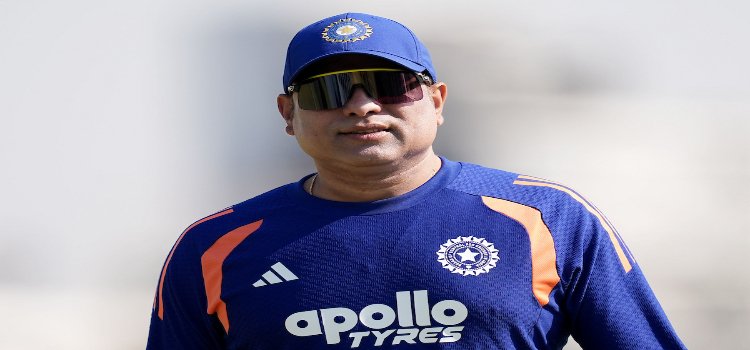
BCCI Centre of Excellence (CoE) chief VVS Laxman on Sunday defended the facility’s handling of player injuries, saying cricketers are not “machines” and recovery timelines cannot always be expected to follow a fixed schedule.
Laxman also stressed that there is “seamless” coordination between the CoE, selectors, team management and support staff, with players assessed continuously before being cleared to return to competitive cricket.
“CoE is not just a rehab centre, but there are bigger roles to play for it in helping cricketers achieve excellence. So, we don’t like to use the term ‘blame’ because when you’re using that term, then you’re finding someone as a scapegoat,” Laxman told select media at the CoE.
Bumrah, Sudharsan Cases Highlight Process
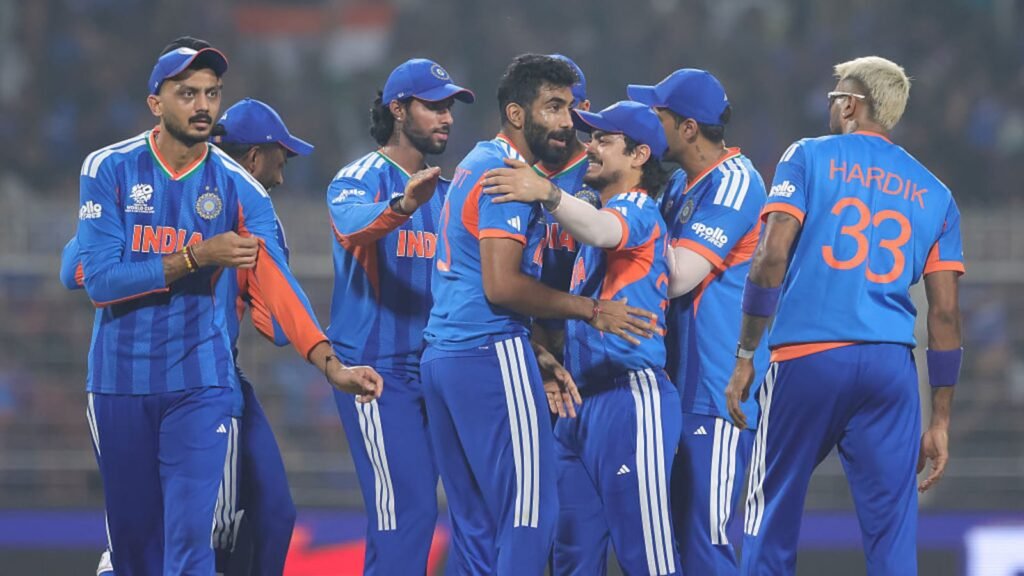
Jasprit Bumrah, Harshit Rana, Hardik Pandya, Washington Sundar and B Sai Sudharsan are among the players who have recently been recovering from injuries at the CoE.
Laxman used Bumrah and Sudharsan as examples of how the fitness process works ahead of international selection.
He explained that selectors seek fitness reports from the CoE before finalising squads. Players recovering from injuries can still be selected, but an asterisk is placed against their names to indicate that their participation is “subject to fitness”.
“So Bumrah and Sudarshan were going to be picked for Sri Lanka subject to fitness clearance,” Laxman said.
If a player’s recovery progresses more slowly than expected, the CoE communicates the updated status to the selection committee and head coach.
“They understand that they’re not yet ready to participate in an international series,” Laxman added.
Recovery Is A Continuous Process
Laxman said fitness timelines are based on expected recovery patterns but can change depending on how an individual player’s body responds to rehabilitation.
“The human body. It is not a machine where the timelines will always be met,” he said.
According to Laxman, players move through different rehabilitation stages, with their workload gradually increased as their condition improves.
The process begins when an injury is diagnosed and continues until the player meets the required benchmarks to leave the CoE and return to competition.
CoE Does Not Clear Players Prematurely
Laxman said the CoE follows specific fitness parameters developed with its sports science and medicine (SSM) and strength and conditioning teams.
Players are not released until they meet those benchmarks or, ideally, improve beyond them.
“We have set certain parameters with the SSM and S&C process. Until and unless those benchmarks are not met, or in fact got better, we don’t release,” he said.
The objective, he added, is to ensure that a player returning to the Indian or domestic setup is capable of performing at their full potential from their first match.
Laxman Says Injuries Are Part Of Sport
Despite several prominent Indian players spending time on the sidelines, Laxman said the situation should not automatically be viewed as a major concern.
He argued that injuries are an unavoidable part of elite sport, where players are constantly operating at high physical intensity.
“I don’t think it’s a cause of concern. But obviously, when someone is playing at the elite level, you’re supposed to give more than 100%,” Laxman said.
He also called for a change in how injuries are perceived, saying they should be treated as part of an athlete’s career rather than automatically viewed as a failure of the system.
The CoE, he said, relies heavily on continuous monitoring by its fitness and medical staff to manage those risks.
Saikia Explains Selection With Fitness Asterisk
BCCI secretary Devjit Saikia explained why injured players can sometimes appear in squads despite not being fully fit.
He said selection meetings are generally held three to four weeks before a team’s departure, meaning a player’s fitness status can change considerably between selection and the start of a series.
“We basically have our selection meetings at least three to four weeks before the team departs. So, we do not know the exact status of the player,” Saikia said.
The “subject to fitness” tag allows selectors to retain players who are expected to recover within that period without automatically ruling them out.
If they complete rehabilitation in time, they can join the squad and play.
The system, Saikia said, is therefore designed to keep selection decisions flexible while allowing the CoE to make the final call based on a player’s fitness closer to the series.