Paralympic Women Archers Open Up On Pressure, Pride And The Fight For Visibility
For many female Paralympic archers, stepping onto the shooting line means carrying far more than competitive pressure. They often become the sole representatives of their countries, ambassadors for disability sport and symbols of visibility for women athletes all at once.
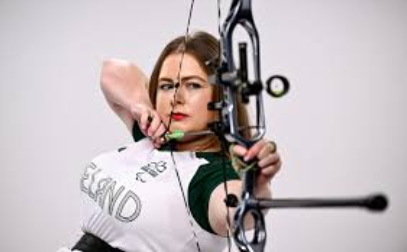
In a powerful reflection shared through World Archery, former Irish Paralympian Kerrie Leonard explored the emotional and psychological challenges faced by women para archers competing on the global stage. The piece featured candid conversations with athletes including Greece’s Dorothea Poimenidou, Singapore’s Nur Syahidah Alim and Chile’s Mariana Zuñiga.
These athletes have not only represented their countries at the Paralympic Games but also achieved some of the highest world rankings in their nations’ archery history.
“You are trying not to carry the whole country”
One of the strongest themes emerging from their experiences was the invisible weight of expectation. Many athletes admitted they tried not to think about being the only representative from their country because the pressure could become overwhelming.
Leonard described how the magnitude of representing Ireland at the Paralympics truly struck her only later, when she realised the Irish flag would not have been present at the venue without her participation.
The athletes also spoke about the loneliness that can come with competing in smaller sporting systems without the support structures available to larger nations.
Fighting stereotypes around disability and women’s sport
The feature also highlighted how para athletes continue battling public misconceptions around disability sport. Several archers pointed out that Paralympic competition is often unfairly viewed through the lens of sympathy rather than elite athletic excellence.
World Archery’s classification system is designed to ensure fair competition, with para archers often competing under rules nearly identical to Olympic events.
Despite that, many athletes still feel women’s para sport receives limited television coverage, sponsorship and mainstream recognition compared to able-bodied events.
Greek Paralympian Dorothea Poimenidou stressed that para athletes are not participating “because of luck or disability” but because they are elite competitors who have earned their place on the world stage.
A growing global movement in para archery
Women’s para archery has seen rapid growth in recent years, with athletes from around the world inspiring millions through their performances.
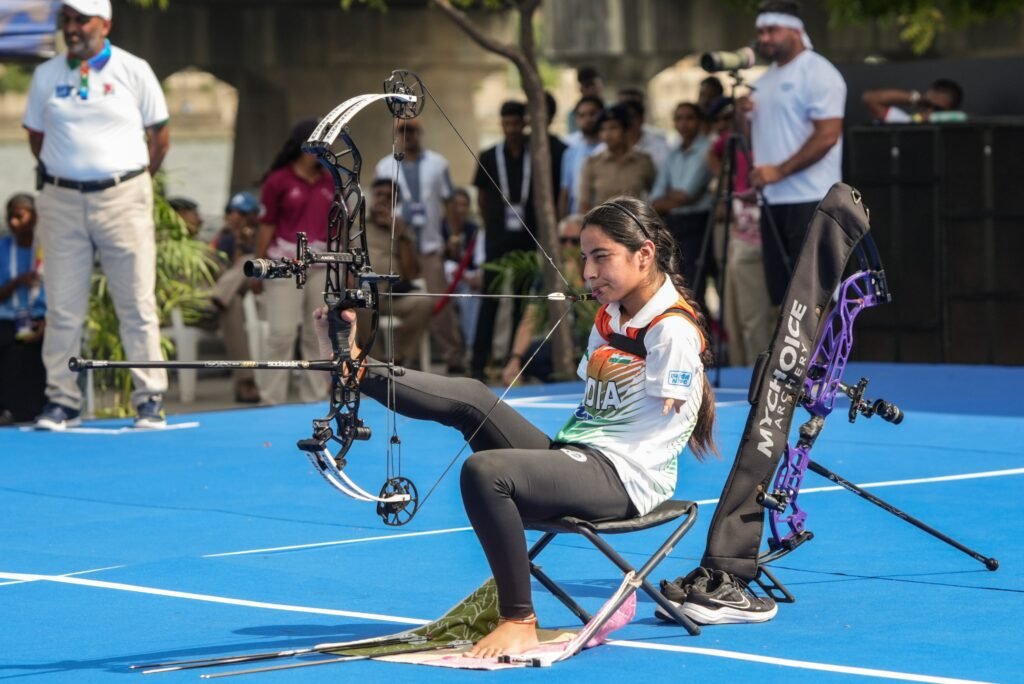
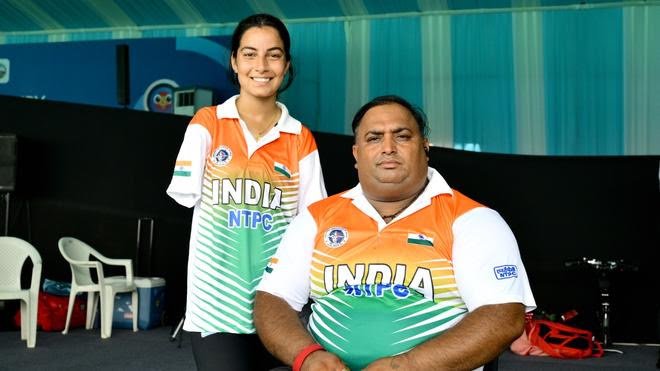
Indian sensation Sheetal Devi’s remarkable rise as the world’s first female armless international para-archery champion has generated enormous global attention. Social media reactions to para archery events frequently highlight admiration for the athletes’ precision, resilience and mental strength.
Meanwhile, Czech archer Sarka Pultar Musilova recently broke the women’s W1 indoor world record, underlining the increasing standards in international para archery competition.
Mental health and burnout remain major concerns
Several athletes also opened up about burnout and emotional exhaustion caused by years of carrying expectations without adequate support.
Mariana Zuñiga revealed that despite loving archery deeply, the pressure to constantly deliver medals eventually affected her mental health and contributed to her decision to step away from competition.
The stories reflected a broader reality within elite sport — where athletes are often celebrated for medals but rarely for the emotional sacrifices behind them.
Pride remains stronger than pressure
Despite the struggles, every athlete interviewed spoke passionately about the pride of representing their country at the Paralympic Games.
For many, simply hearing their national anthem or seeing their flag at the venue made years of sacrifice worthwhile. The shared experiences also created a powerful sense of community among women para archers across different nations.
Their journeys continue to inspire a new generation of athletes while challenging old perceptions about disability, visibility and women’s sport.