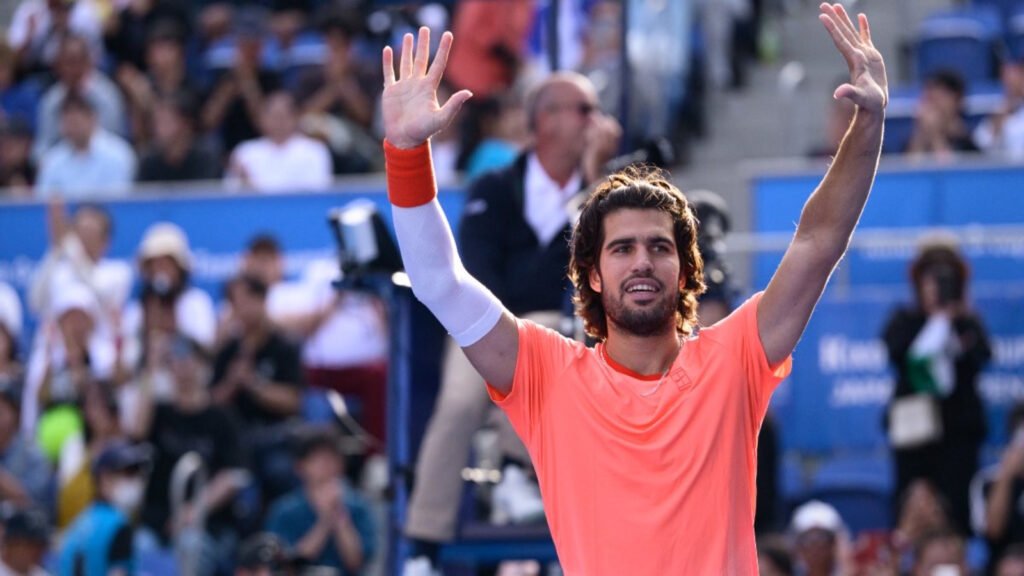
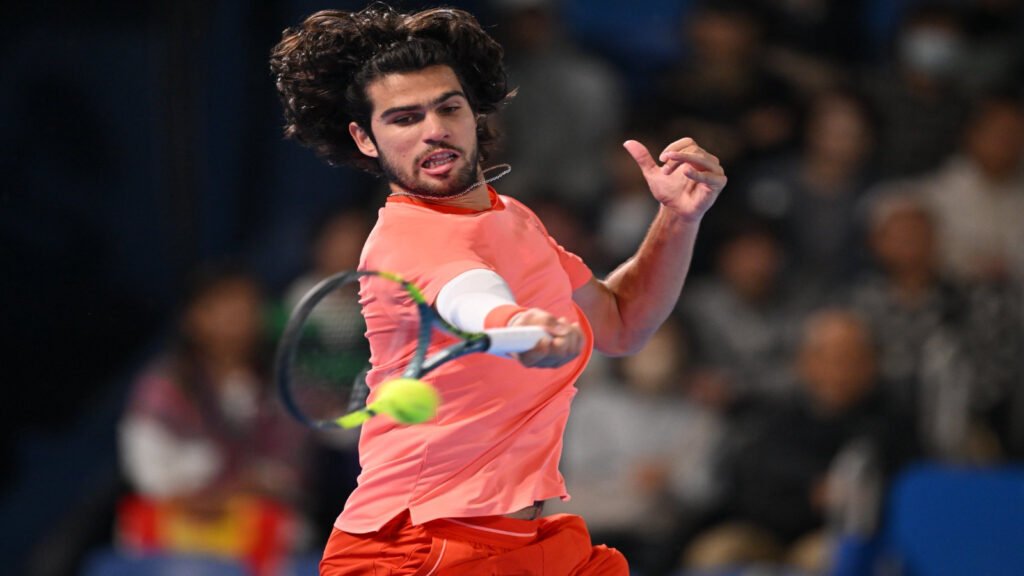
Tennis is speeding into a new era — one in which favours for big-shots are eroding, margins are tighter and even the most dominant stars must fight harder than ever. The game’s rhythm is shifting, and the players, coaches and governing bodies are all recalibrating.
At the heart of this change is a simple truth: past success no longer guarantees future control. Match-win streaks that once built reputations now face disruption from younger, hungrier talent; seasoned pros find familiar tactics challenged by fresh styles and faster courts. The result: the predictable hierarchy of the sport has become far more fluid.
Another factor driving the evolution is technology and training. Today’s players are fitter, stronger and more analytically prepared. They enter matches with detailed scouting and data-driven strategies. At the same time, evolving equipment and surfaces are adding speed and bounce to rallies — shifting emphasis away from pure power and more toward agility, reaction and strategic resilience.
Then there’s the psychological game. Mental endurance is now as vital as physical toughness. The length of seasons, the calendar’s intensity and the pressure of media and sponsorships all mount up. Players who once relied solely on their athleticism now also train to sustain focus, recover quickly, and adapt mid-match when things unravel. In short: the old-school model of serving hard and staying ahead is no longer enough.
What this all means for fans: expect more uncertainty and more excitement. Rivalries won’t be defined solely by titles, but by how players respond to change. Champions will be those who evolve — not just dominate. They will adjust faster, maintain intensity across the schedule and keep reinventing rather than resting on laurels.
Tennis is entering a phase where adaptation isn’t optional. Whether it’s a Grand Slam final, a Masters-1000 event or a minor tour stop, the shift is clear: staying at the top means staying in motion.

 Vishesh Shukla
17 Oct 2026 · 9:50 PM IST
1 min read
8 Reads
Vishesh Shukla
17 Oct 2026 · 9:50 PM IST
1 min read
8 Reads 
 Sohini Mukherjee
15 Oct 2026 · 10:21 PM IST
3 min read
11 Reads
Sohini Mukherjee
15 Oct 2026 · 10:21 PM IST
3 min read
11 Reads