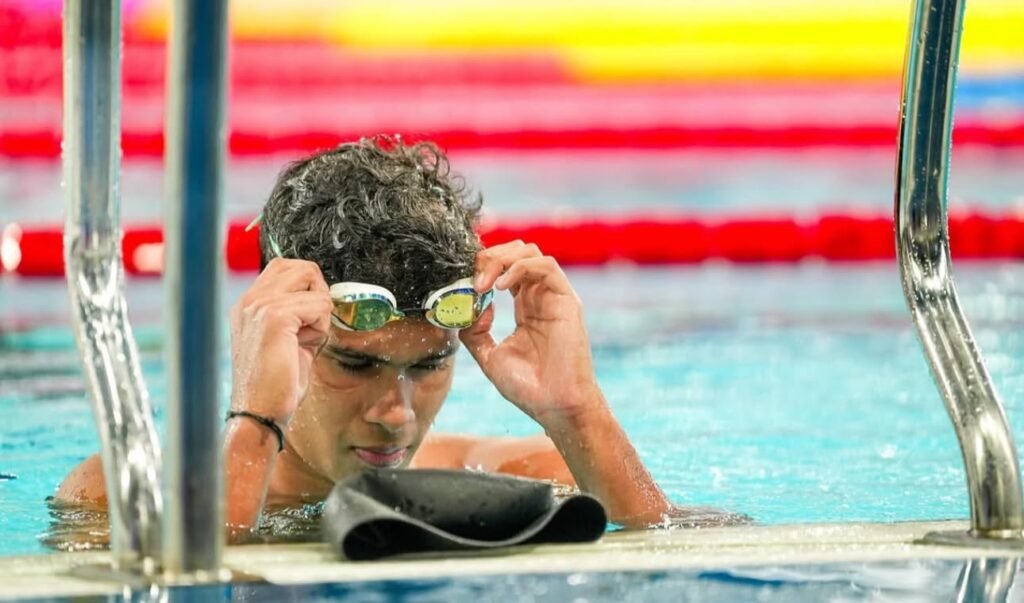
Swimming Every Day: How One Week in the Pool Can Transform Your Body, Mind and Overall Well-Being

A former competitive swimmer returned to the pool after years away and rediscovered why swimming remains one of the most complete exercises for physical fitness, mental wellness and long-term health. Experts explain the science behind the transformation.
Swimming: More Than Just a Workout
For many people, swimming is simply another form of exercise. But for former competitive swimmers, stepping back into the water often feels like reconnecting with a forgotten part of themselves.
After years away from competitive swimming due to studies, work commitments and a busy lifestyle, one former swimmer decided to swim every day for a week during an especially stressful period. The goal was simple—to find out whether swimming could still deliver the same physical and mental benefits experienced during childhood.
The results proved that the connection between swimming and overall well-being goes far beyond burning calories.
From Childhood Challenges to Competitive Swimming
Growing up, finding the right sport wasn’t easy. High-impact activities like running caused knee discomfort, while other sports quickly became exhausting.
Swimming changed everything.
The buoyancy of water reduced the pressure on the body, making movement easier and more comfortable. What initially started as an alternative soon developed into competitive training, with daily practice sessions lasting for nearly two years.
Beyond improved fitness, several unexpected changes followed:
Better concentration in school
Increased daily energy
Gradual weight loss
Improved confidence
Greater physical endurance
Although competitive swimming eventually stopped due to university life, relocation and career responsibilities, the positive memories of the sport remained.
A Seven-Day Challenge That Delivered Immediate Results
Years later, after an intense and mentally exhausting work schedule, daily swimming became a personal experiment.
Instead of high-intensity interval training or difficult workouts, the routine focused on steady, continuous laps every day.
Within just one week, several noticeable improvements appeared:
Better Sleep Quality
One of the earliest changes was deeper and more restful sleep, allowing the body to recover more effectively after long working days.
Healthier Appetite
Daily swimming naturally increased hunger levels, reflecting the body’s increased energy expenditure and improved metabolism.
Minimal Muscle Soreness
Unlike intense gym workouts that often lead to delayed onset muscle soreness (DOMS), swimming caused only mild shoulder tightness despite daily exercise.
Reduced Mental Stress
The biggest transformation was psychological. Swimming became a daily escape from work-related pressure, helping restore mental clarity and emotional balance.
Why Swimming Helps Calm the Mind
Experts explain that swimming benefits the nervous system in several unique ways.
Being immersed in water creates gentle pressure around the body, helping shift the nervous system from a “fight-or-flight” state into a more relaxed “rest-and-digest” mode.
At the same time:
Heart rate gradually stabilises.
Stress hormone (cortisol) levels decrease.
Controlled breathing improves relaxation.
Repetitive swimming strokes create a meditative rhythm.
The quiet underwater environment reduces mental overload.
Together, these factors make swimming one of the few exercises that simultaneously trains both the body and the brain.
Why Swimming Is Considered a Low-Impact Exercise
According to sports physiotherapists, swimming is among the safest full-body exercises available.
When the body is immersed to chest level, water supports a significant portion of body weight. This dramatically reduces pressure on:
Knees
Hips
Spine
Ankles
Unlike running or jumping, swimming allows people to exercise without repeatedly stressing their joints.
At the same time, water naturally creates resistance in every direction, forcing multiple muscle groups to work together.
Each swimming stroke activates:
Arms
Shoulders
Chest
Core muscles
Back
Legs
This combination improves muscular strength, flexibility and balance while protecting joints from excessive impact.
Long-Term Benefits of Daily Swimming
Health professionals believe recreational swimmers can safely swim regularly when they maintain proper technique and adequate recovery.
With consistent practice, swimming may help improve:
Cardiovascular fitness
Lung capacity and breathing efficiency
Muscular endurance
Overall body composition
Blood pressure
Joint mobility
Flexibility
Mood and emotional well-being
Sleep quality
Energy levels
Who Benefits the Most?
Experts highlight several groups that can gain significant health benefits from swimming.
Older Adults
Swimming allows seniors, especially those with arthritis, to remain physically active with reduced joint pain and lower risk of falls.
People Recovering from Injuries
Since water supports body weight, swimming enables rehabilitation while reducing stress on healing muscles and joints.
Beginners and People with Higher Body Weight
For individuals who find high-impact workouts uncomfortable, swimming provides an accessible way to improve fitness without placing excessive strain on the body.
Who Should Exercise Caution?
While swimming is generally safe, experts advise caution for:
Competitive swimmers training high volumes without sufficient recovery
Individuals continuing to swim despite pain
Swimmers using poor technique repeatedly
To minimise injury risk, experts recommend:
Rotating different swimming strokes
Maintaining proper technique
Scheduling recovery sessions
Listening to the body’s warning signs
Swimming: A Sport for Life
Unlike many forms of exercise that primarily target one aspect of fitness, swimming combines cardiovascular training, muscular strength, flexibility, mobility and mental relaxation into a single activity.
Whether returning to the pool after years away or starting for the first time, even a short period of regular swimming can deliver noticeable improvements in both physical health and emotional well-being.
For many, swimming is more than exercise—it becomes a lifelong habit that supports a healthier body and a calmer mind.
Key Takeaways
Swimming is a full-body, low-impact exercise suitable for most age groups.
Regular swimming improves cardiovascular health, strength and flexibility.
Water immersion naturally reduces stress and promotes relaxation.
Daily swimming can improve sleep, mood and energy levels.
Recreational swimmers can safely swim regularly with proper technique and recovery.
Swimming is particularly beneficial for older adults, beginners and people recovering from injuries.