No King of the Air: High Jump Set for a Power Shift in Toruń
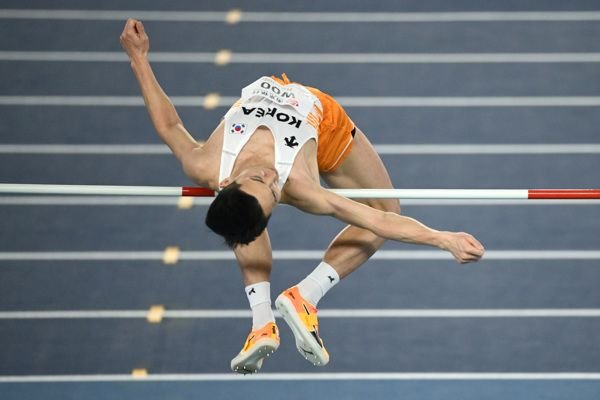
The men’s high jump at the World Athletics Indoor Championships Kujawy Pomorze 2026 arrives with an unusual narrative—there is no clear ruler of the bar.
In recent years, the event often revolved around a standout name, someone who dictated the tempo and the height. But this time in Toruń, the script feels different. The field is tightly packed, the margins razor-thin, and the gold medal may hinge less on brilliance and more on precision under pressure.
Athletes like Romaine Beckford and Naoto Hasegawa bring proven pedigree, but neither enters as an overwhelming favourite. Instead, they are part of a chasing pack hovering around similar season-best marks, where a single miss—or a perfectly timed clearance—could decide everything.
What adds intrigue is the host nation factor. Poland’s hopes will rest heavily on names such as Mateusz Kołodziejski, who has already flirted with the 2.30m barrier this season. Backed by a home crowd, even the slightest momentum swing could turn into a medal-winning surge.
Yet, perhaps the most fascinating layer is the emergence of youth. Seventeen-year-old Younes Ayachi embodies the unpredictability of this field—a reminder that indoor championships often reward fearlessness as much as experience.
Technically, the competition may not demand record-breaking heights. Instead, it is shaping up to be a tactical duel, where athletes must navigate the bar progression smartly, conserve attempts, and strike at the right moment. In such a contest, the winner may not be the one who jumps the highest overall—but the one who jumps the smartest when it matters most.
In a discipline defined by vertical limits, Toruń might just deliver a different kind of elevation—the rise of a new name.