Jacob Kiplimo Half-Marathon World Record Ratified After 179-Day Wait
Jacob Kiplimo Half-Marathon World Record
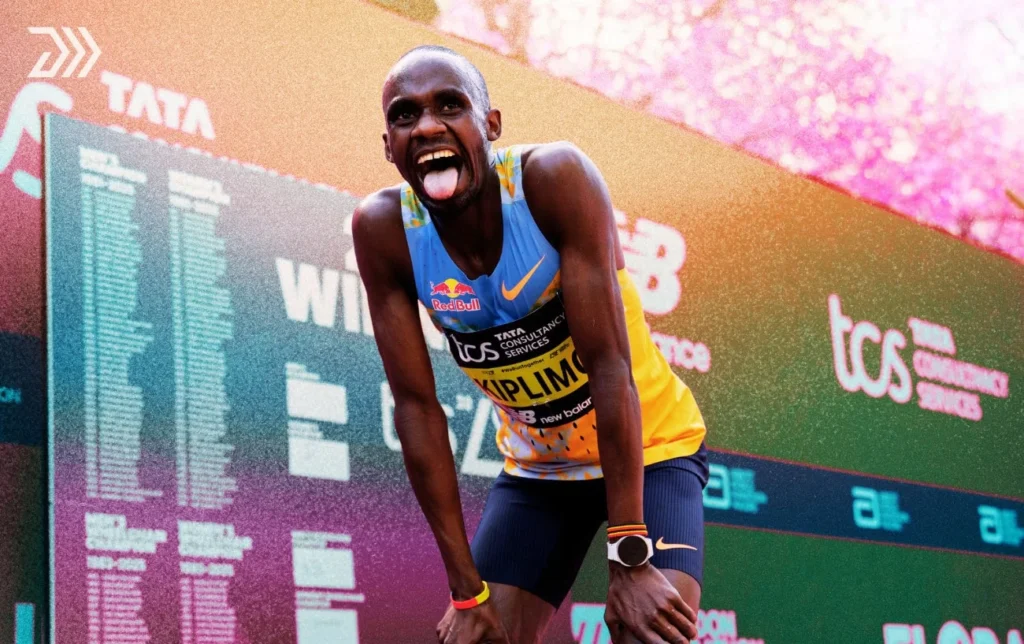
Uganda’s Jacob Kiplimo has finally received official recognition for his remarkable 57:20 half-marathon world record, with World Athletics ratifying the performance 179 days after he produced it in Lisbon.
The approval came on Thursday, but the timing has created an unusual situation in the record books. Ethiopia’s Yomif Kejelcha had already run 56:51 in Buenos Aires 11 days earlier, a mark that is still awaiting ratification. For now, however, Kiplimo’s 57:20 is the officially recognised men’s half-marathon world record.
The delay is particularly notable because Kiplimo’s latest record came after a previous world-record performance in Barcelona had been rejected.
Kiplimo Finally Gets Official Recognition
Kiplimo set the record at the EDP Lisbon Half Marathon on March 8, 2026, completing the 21.1km distance in 57 minutes and 20 seconds.
His performance was not only fast but also carefully executed under conditions that avoided the controversy surrounding his previous record attempt.
There were no pacemakers in Lisbon. Kiplimo ran alongside Kenya’s Nicholas Kipkorir through much of the race before making his decisive move after 15km.
World Athletics officially confirmed the mark after its ratification process, describing it as a performance that improved the previous ratified world record of 57:30, which Kejelcha had set in Valencia in October 2024.
The approval means Kiplimo now has another officially recognised world record on his résumé.
The Numbers Behind the 57:20
Kiplimo’s race in Lisbon was built around a remarkably consistent pace.
He passed the 5km mark in 13:28 and reached 10km in 27:00 while running with Kipkorir and fellow Kenyan Gilbert Kiprotich.
At 15km, Kiplimo and Kipkorir were still together, with the clock showing 40:52.
That was the point at which Kiplimo increased the pressure.
He covered the next 5km in 13:31, creating the decisive gap before maintaining his pace to the finish.
Kipkorir eventually finished second in 58:08, exactly 48 seconds behind Kiplimo, while Kiprotich took third in 58:59.
Kiplimo’s performance therefore combined a controlled opening with a powerful closing section.
A Record Built Without Pacemakers
One of the most important aspects of the performance was that Kiplimo did not have pacemakers guiding him around the Lisbon course.
That was significant given what had happened with his previous world-record attempt.
In February 2025, Kiplimo ran an extraordinary 56:42 in Barcelona, becoming the first man to break the 57-minute barrier over the half-marathon distance.
However, World Athletics eventually refused to ratify that performance because of concerns about Kiplimo’s proximity to the lead vehicle during the race. Broadcast footage showed him running approximately 10 to 15 metres behind the car for extended periods.
The governing body determined that the situation could constitute prohibited pacing assistance under its rules.
As a result, the 56:42 never became the official world record.
Why Lisbon Was Different
The Lisbon performance appeared to remove the major concern that had surrounded Barcelona.
There were no pacemakers, and Kiplimo ran the race alongside other competitors rather than relying on the slipstream of the lead vehicle.
He also returned to the same city where he had previously broken the half-marathon world record.
In 2021, Kiplimo ran 57:31 in Lisbon, taking one second off the previous record held by Kenya’s Kibiwott Kandie.
That mark eventually gave way to Kejelcha’s 57:30 in Valencia in 2024.
Five years after his first Lisbon world record, Kiplimo returned and went even faster, lowering the mark to 57:20.
The 179-Day Wait
While the performance itself was historic, the ratification process became a story of its own.
Kiplimo ran 57:20 on March 8, but World Athletics did not officially approve the mark until Thursday, September 3 — a wait of 179 days.
The delay was particularly striking because several other world records from later in the season had already been ratified.
For example, the men’s marathon world record of 1:59:30, set by Kenya’s Sabastian Sawe in London, and Ethiopia’s Tigst Assefa’s 2:15:41 were ratified on July 23, only 88 days after their performances.
Both records came in road races and therefore went through verification procedures similar to those required for Kiplimo’s half-marathon mark.
World Athletics did not give a specific explanation for why Kiplimo’s ratification took so long.
Kiplimo’s Record Was Not the Only One Announced
Kiplimo’s ratification was part of a wider World Athletics announcement covering three world records.
American Ja’Kobe Tharp had his 12.75-second 110m hurdles world record from the NCAA Championships in Eugene officially approved.
Kenya’s Emmanuel Wanyonyi also received ratification for his 2:11.83 1,000m world record, set in Monaco on July 10.
Wanyonyi’s record took 55 days to receive official recognition, while Tharp’s mark took 85 days.
Kiplimo’s 179-day wait was therefore considerably longer than both.
Then Came Kejelcha’s 56:51
The unusual part of the story is that Kiplimo’s newly ratified record is no longer the fastest performance ever run over the distance.
On August 23, Ethiopia’s Yomif Kejelcha clocked 56:51 at the Media Maratón Ciudad de Buenos Aires.
The performance was a stunning 29 seconds faster than Kiplimo’s 57:20 and restored Kejelcha to the top of the list of fastest performances.
However, Kejelcha’s mark has not yet been ratified. World Athletics currently lists Kiplimo’s 57:20 as the official record while the Buenos Aires performance goes through its own verification process.
That means Kiplimo currently holds the official record even though another athlete has already run faster.
Why Kejelcha’s Mark Needs More Verification
The Buenos Aires race used a new course layout in 2026, with sections of highway replaced by roads including Avenida 9 de Julio and Avenida Libertador.
That means the course needs to go through the required certification process before the performance can be accepted as a world record.
Under recognised road-racing procedures, the course has to be properly measured and validated, including checks involving the lead vehicle and approved course measurers.
Kejelcha has experienced a lengthy ratification wait before.
His 26:31 10km world record, set in February 2025, took more than 15 months to become official.
The Ethiopian will now wait to see whether his 56:51 receives the same recognition.
Kiplimo’s Record Status Has Changed Again
For Kiplimo, Thursday’s announcement closes one chapter of an unusually complicated record story.
His 56:42 in Barcelona remains the fastest time he has ever run over the half-marathon distance, but it is not an official world record.
His 57:20 in Lisbon, meanwhile, is now officially ratified.
And despite Kejelcha’s subsequent 56:51, Kiplimo remains the recognised world-record holder until World Athletics rules on the Buenos Aires performance.
The distinction between the fastest performance and the official world record is therefore particularly important in Kiplimo’s case.
Kiplimo’s Remarkable Return to Lisbon
Kiplimo’s achievement also adds another milestone to his career at the Lisbon Half Marathon.
He first broke the world record there in 2021 with his 57:31.
Five years later, he returned to the same city and improved that mark by 11 seconds, stopping the clock at 57:20.
The performance also came after the disappointment of having his Barcelona record rejected.
Speaking after his Lisbon run, Kiplimo expressed his happiness at finally breaking the record under conditions he could trust.
“I’m so happy to break the world record,” Kiplimo said after the race.
What Happens Next?
The men’s half-marathon record could soon change hands again.
Kejelcha’s 56:51 is currently waiting for World Athletics to complete its verification process. If the Buenos Aires course and race conditions satisfy all requirements, Kejelcha would officially reclaim the world record from Kiplimo.
Until then, Jacob Kiplimo Half-Marathon World Record remains the official benchmark at 57:20.
For Kiplimo, the long wait is finally over. His Lisbon performance is now officially in the record books — even if the mark itself could soon face another challenge from the very athlete whose previous record he had broken.
The half-marathon world-record race, it seems, is far from finished.