“Is Formula 1 Entering a New Era of Global Reach and Rivalry?”
Formula 1’s global footprint is expanding at breakneck speed — and that growth isn’t just about racing fast on Sundays. As the 2026 season approaches, the sport’s broadcast partnerships, fan engagement, and competitive dynamics are all shifting in ways that point to a new, wider-reaching era for the pinnacle of motorsport.
At the heart of the story is fan access. In South Asia, FanCode has extended its exclusive Formula 1 broadcast deal through 2028, ensuring that every practice, qualifying session, sprint and Grand Prix will be available to fans in India, Bangladesh, Nepal and Sri Lanka on digital platforms — including F1 TV Pro options sold through FanCode itself. Yannick Colaco, co-founder of FanCode, said the renewal “firmly establishes FanCode as the home of all things F1 in India” as the sport’s popularity soars in the region.
This surge in viewership mirrors a broader trend: F1’s fan base in India alone has grown dramatically, with millions tuning in and regional commentary introduced in languages like Hindi and Tamil to deepen local engagement.
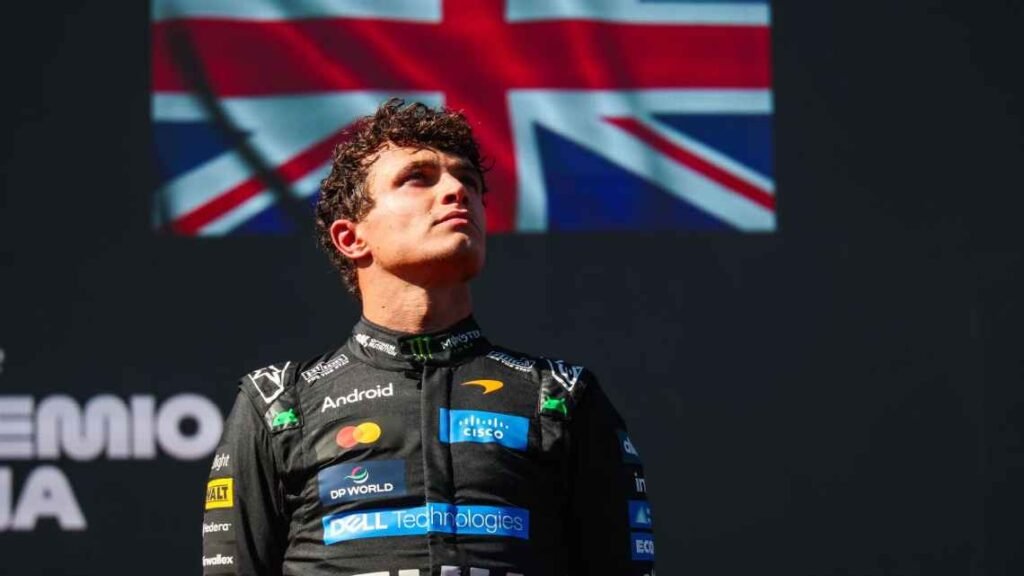
But it’s not just broadcast deals stirring interest — the on-track action remains equally compelling. The 2025 season concluded with an enthralling championship battle, where Britain’s Lando Norris clinched his maiden world title after a dramatic Abu Dhabi Grand Prix finale. That result broke the long streak of dominance by established world champions and showcased McLaren’s resurgence as a constructor force.
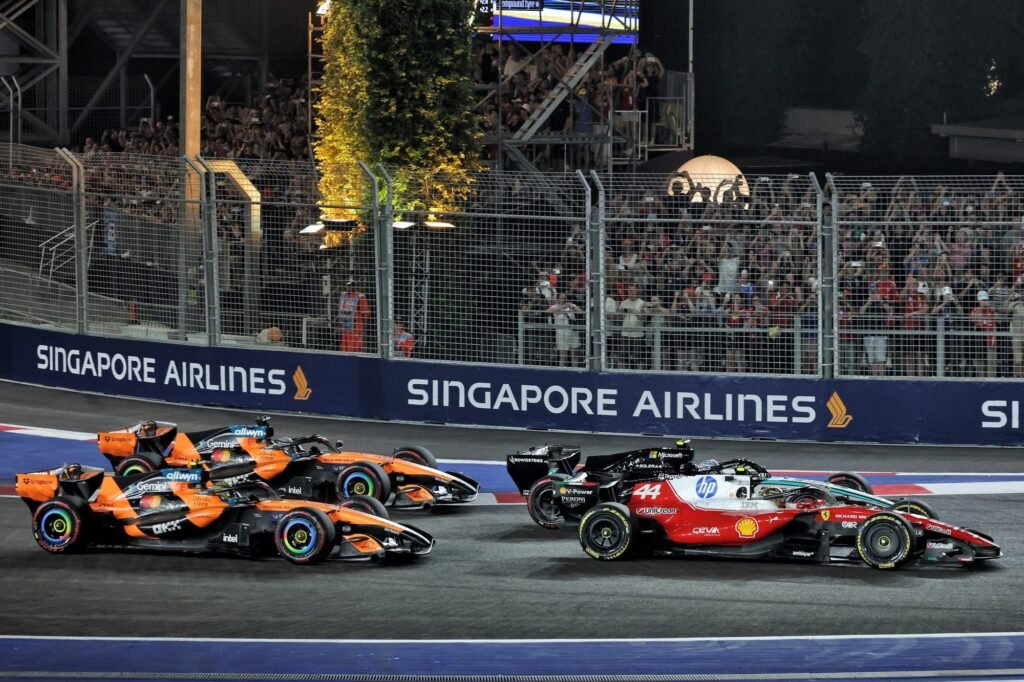
While 2026 brings fresh rules and new teams — including factory entries from Cadillac and Audi — challenges and debates are already circling around car design choices and competitiveness. Experts like Gary Anderson have openly critiqued elements of rival car concepts, suggesting that evolution in engineering may not always be smooth.
Off the track, F1’s commercial strategy also underscores its global ambitions. This includes renewed rights agreements in other territories — such as Sky Sports in the UK and Apple’s new multi-year distribution deal in the U.S. — all indicating how Formula 1 sees its future as a truly worldwide sport.
As one insider recently put it, “The sport is accelerating everywhere — not just on the straights.” While the battles on the circuit will always grab the headlines, it’s the broader push into new markets and media that could define this generation of Formula 1.