

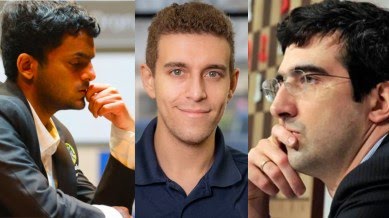
Bhubaneswar: The global chess community has been rocked by the sudden death of American Grandmaster and popular chess commentator Daniel Naroditsky, aged 29. In the aftermath, Indian Grandmaster Nihal Sarin has publicly blamed former World Champion Vladimir Kramnik for what he calls a campaign of “relentless and baseless accusations” that allegedly drove Naroditsky into deep emotional distress.
A Tragic Loss Shakes The Chess Community
Naroditsky, one of the most respected voices in modern chess, was found dead earlier this week. While the official cause of death has not been confirmed, the news has sent shockwaves through the international chess scene.
Speaking to The Indian Express, Nihal Sarin, who was among Naroditsky’s final online opponents, expressed his anguish over the loss and directly blamed Kramnik’s behaviour for contributing to the tragedy.
“He has kind of literally taken a life,” Sarin said, referring to Kramnik’s recent series of public allegations of cheating against Naroditsky and several other top players. “Danya was under immense stress due to all these baseless claims. This was headed by Kramnik, of course.”
The Accusations That Sparked Controversy
In recent months, Vladimir Kramnik has drawn criticism for publicly accusing various grandmasters of using computer assistance during online games. His posts, shared across chess forums and social media, have ignited a heated debate on ethics, evidence, and the boundaries of fair play.
Naroditsky, known for his calm demeanour and educational chess streams, was reportedly distressed by Kramnik’s insinuations. According to Sarin, “His last games were against me on Chess.com. He looked disturbed, he mentioned he was under tremendous pressure.”
Kramnik Responds Amid Outrage
Following Naroditsky’s death, Kramnik made a cryptic post on social media stating, “Don’t do drugs,” suggesting a different cause behind the tragedy. The remark, widely condemned as insensitive, has further angered many within the chess world, who accuse Kramnik of deflecting responsibility.
Sarin said he believes Kramnik’s online conduct has already harmed the chess community, adding that “big sanctions” should be imposed on the Russian grandmaster. “Cheating is a real problem, but what he’s doing — accusing without proof — is unacceptable. He needs to be held accountable for this pattern of behaviour,” Sarin added.
Mental Health And Accountability In Chess
Naroditsky’s death has reignited urgent conversations about mental health support for professional chess players, particularly in the online era, where scrutiny and accusations can spread rapidly.
Experts and players alike are now urging federations and tournament organizers to establish clearer policies on handling cheating allegations and providing psychological assistance to those targeted by public criticism.
The Charlotte Chess Center, where Naroditsky worked as a coach and mentor, described him as “a beloved member of the chess community whose contributions to the game will never be forgotten.”
A Call For Reflection
The chess world finds itself at a crossroads — forced to confront not only the rise of online cheating but also the toxic culture of public shaming that has followed it.
While the full circumstances of Naroditsky’s death remain under investigation, Nihal Sarin’s emotional remarks have amplified demands for compassion, responsibility, and reform in a game celebrated for intellect but often silent about emotional well-being.
As tributes continue to pour in for Daniel Naroditsky, players and fans alike are left asking a painful question: how did the game’s pursuit of fairness turn into a tragedy of accusation and loss?















Discussion about this post