Rivalry Reloaded: India, England Clash Again in T20 Semi-Final
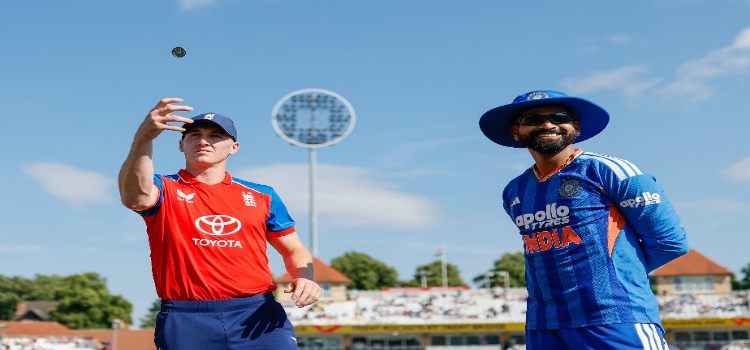
Mumbai: Defending champions India will face two-time winners England in a blockbuster semi-final of the ICC Men’s T20 World Cup 2026 at the Wankhede Stadium in Mumbai on Thursday, renewing one of the most compelling rivalries in modern T20 cricket.
The clash marks the third consecutive time the two sides will meet at the semi-final stage of the tournament, with their previous encounters producing one victory each. With the rivalry evenly poised, the latest contest promises to serve as the decisive chapter in an intense World Cup trilogy.
A rivalry shaped by recent World Cup history
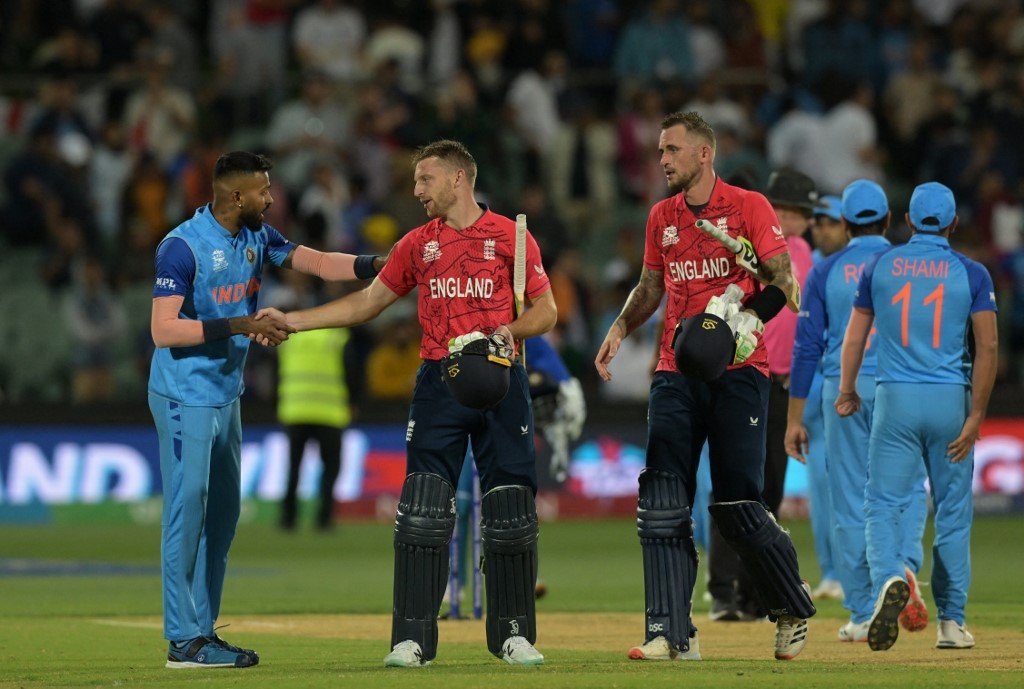
The first of the recent semi-final battles came in the 2022 T20 World Cup in Adelaide, where England produced a dominant performance to knock India out of the tournament. India had posted a competitive total of 168 for six after contributions from their top order, but England’s openers Jos Buttler and Alex Hales dismantled the target with an extraordinary unbeaten stand.
The pair chased down the target in just 16 overs without losing a wicket, handing England a commanding 10-wicket victory and a place in the final.
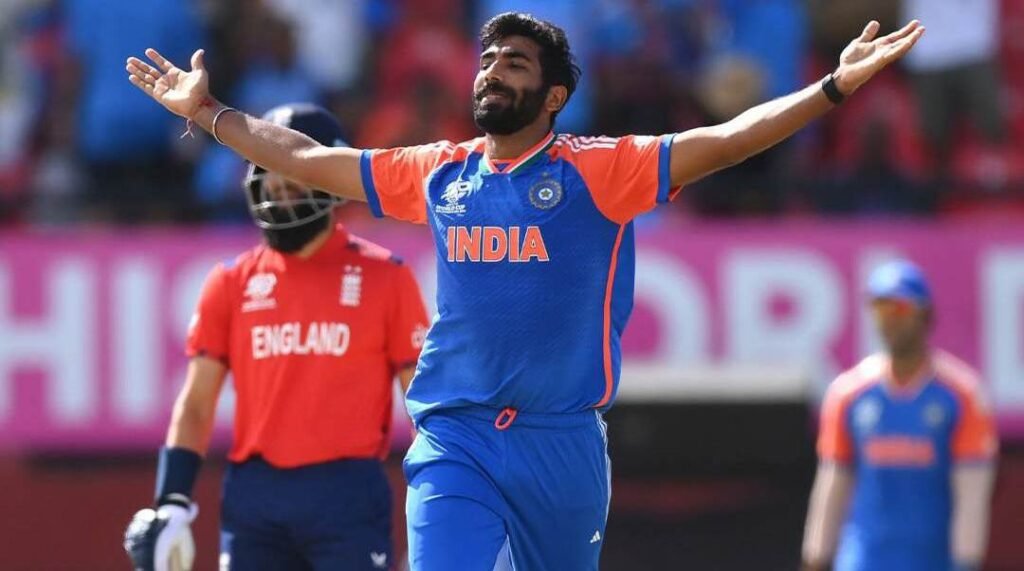
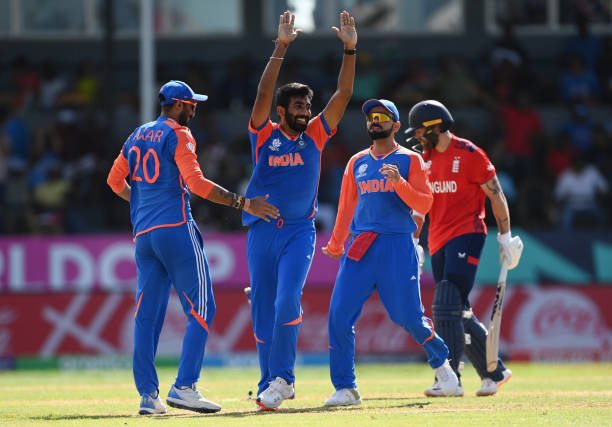
Two years later, India found redemption in the 2024 T20 World Cup semi-final in Providence. Batting first on a challenging surface, India posted 171 before producing a clinical bowling display.
The spin duo of Axar Patel and Kuldeep Yadav dismantled England’s batting line-up, picking up three wickets each as England were bowled out for 103. The emphatic victory not only secured India a place in the final but also avenged the painful defeat in Adelaide.
Third chapter unfolds in Mumbai
With the semi-final record between the teams now level at 1–1, the latest clash at the Wankhede Stadium carries enormous significance. Beyond a place in the final, the contest will determine which team takes the upper hand in one of the defining rivalries of the T20 era.
India enter the contest as defending champions and slight favourites, boosted by home conditions and a strong record at the venue. England, however, arrive with renewed confidence after building momentum through the latter stages of the tournament.
India’s strengths and concerns
India’s campaign has been built on tactical adaptability and the ability of key players to deliver in crucial moments.
One of their biggest advantages has been the effectiveness of their spin attack. Varun Chakaravarthy’s mystery variations have troubled several opposition batters, while Axar Patel’s control in the middle overs has played a vital role in restricting scoring opportunities.
India’s pace attack is anchored by Jasprit Bumrah, widely regarded as one of the finest T20 bowlers in the world. His ability to strike early and control the death overs gives India a crucial edge in tight matches.
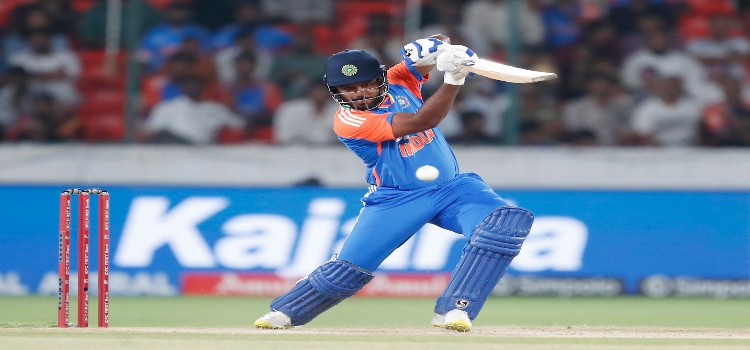
The middle order also provides significant firepower, with captain Suryakumar Yadav, Hardik Pandya and Sanju Samson capable of accelerating the scoring rate even if the top order falters. India are further boosted by their strong home record, having remained unbeaten in T20 internationals at the Wankhede Stadium since 2017.
However, there are areas of concern. India’s fielding has been inconsistent during the tournament, with several dropped catches proving costly. The opening combination has also struggled at times, with Abhishek Sharma enduring a difficult run at the top of the order.
Additionally, Indian batters have occasionally found off-spin challenging during the tournament, a factor England could look to exploit through part-time options such as Will Jacks.
England’s aggressive approach
England, led by Harry Brook, have revived their campaign after an inconsistent start and now arrive in the semi-final with growing momentum.
Their batting depth remains one of their biggest strengths. Even if the top order fails, players such as Brook, Will Jacks and Sam Curran have the ability to maintain a high scoring rate and keep the pressure on opposition bowlers.
Fast bowler Jofra Archer has been a major weapon in the powerplay, delivering several tight spells and creating early breakthroughs with his pace and bounce. England’s all-round depth also allows them to rotate bowlers frequently and adapt quickly to different match situations.
Despite these strengths, England also have vulnerabilities. Their top order has not been at its best in this tournament, with Jos Buttler and Phil Salt yet to produce consistently impactful performances.
England have also shown signs of struggling against quality spin bowling, a weakness that India’s spin attack will attempt to exploit on subcontinental pitches. Their death bowling has occasionally lacked control as well, particularly on batting-friendly surfaces.
A defining clash awaits
As two of the most powerful teams in T20 cricket prepare to face off once again, the semi-final in Mumbai promises drama, intensity and high-quality cricket.
India will rely on home advantage and the confidence of defending champions, while England will look to harness their momentum and knockout experience.
With the rivalry perfectly balanced and a place in the final on the line, the Wankhede Stadium is set to host another memorable chapter in the ongoing battle between two modern giants of the T20 game.
Source: ESPN Cricinfo, First Post, ET