Pitch-Perfect Football Training: A Guide by Sofiane Belhachani
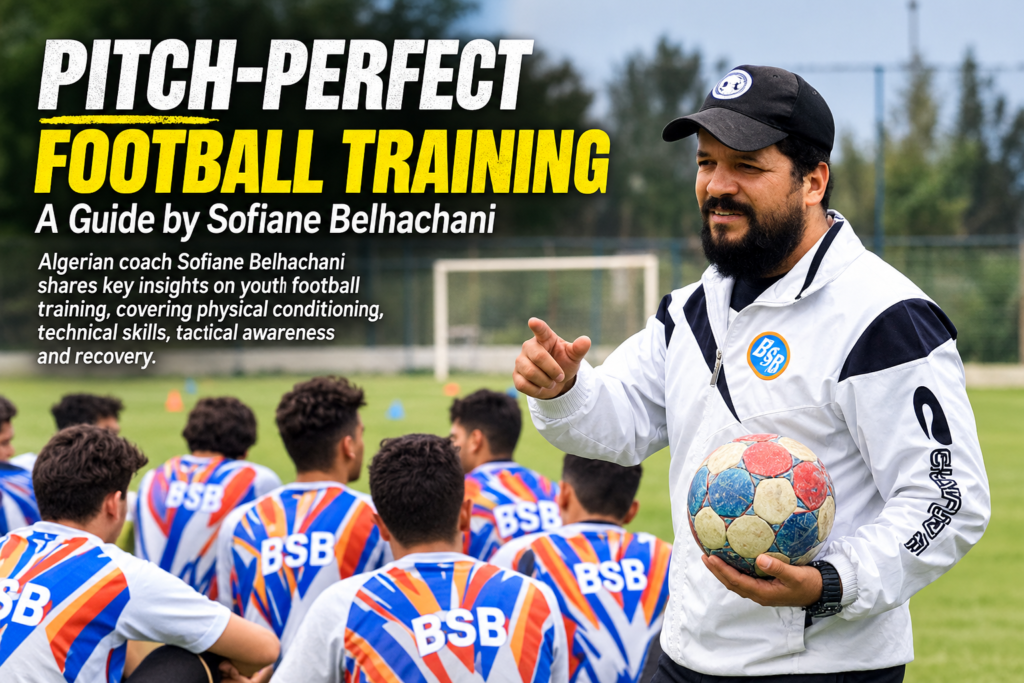
Football Training for Young Players
Football training requires more than hours on the pitch. According to Sofiane Belhachani, Head Coach of the U-19 team at BSB Academy in Batna, Algeria, training should suit each player’s age, physical development, learning ability and psychological maturity.
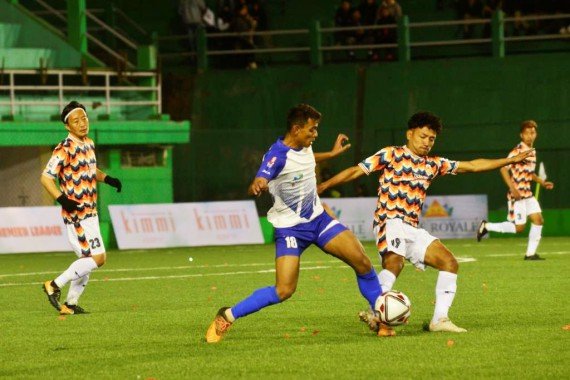
For children aged 6–12, youth football training should focus on coordination, teamwork and discovering their positions. As players grow older, training should gradually develop their technical skills, physical strength and understanding of the game.
Physical, Technical and Tactical Training
Effective football coaching combines three main areas: physical training, technical training and tactical training. Physical training develops strength, speed, flexibility and endurance through exercises such as running, resistance work and bodyweight training.
Technical training improves dribbling, passing, shooting, heading and ball control. Tactical training teaches players formations, attacking and defensive movements, positioning and teamwork. Coaches should also focus on injury prevention, recovery and maintaining players’ fitness.
How to Structure a Football Training Session
A balanced football training session should include a warm-up, a main training session, game-based practice and a cool-down. The warm-up prepares the body for exercise, while the main session develops specific skills such as passing, crossing, shooting and set pieces. Game situations help players apply those skills, and a cool-down supports recovery.
Training frequency should depend on the players’ age, level and individual needs. Coaches must balance physical, technical and tactical work with adequate rest to prevent fatigue, injuries and overtraining.
Quality Over Quantity in Football Coaching
Belhachani emphasises that quality matters more than the number of training hours. Players need discipline, suitable equipment and consistent practice, but coaches must also adapt sessions to individual abilities and team objectives.
He encourages coaches to develop their own football strategies, understand their players and translate their ideas into effective training. The aim is to build well-rounded footballers who can perform confidently and progress through the sport.
Football training requires a balanced approach that combines physical fitness, technical skills, and tactical awareness. According to Sofiane Belhachani, coaches must adapt training methods to each player’s age, physical development, learning ability, and psychological needs. While young players should focus on coordination, basic techniques, and teamwork, older players need more advanced training to improve performance and decision-making. Consistent practice, quality sessions, and sufficient recovery are essential for long-term player development.