FUTURE PLAY
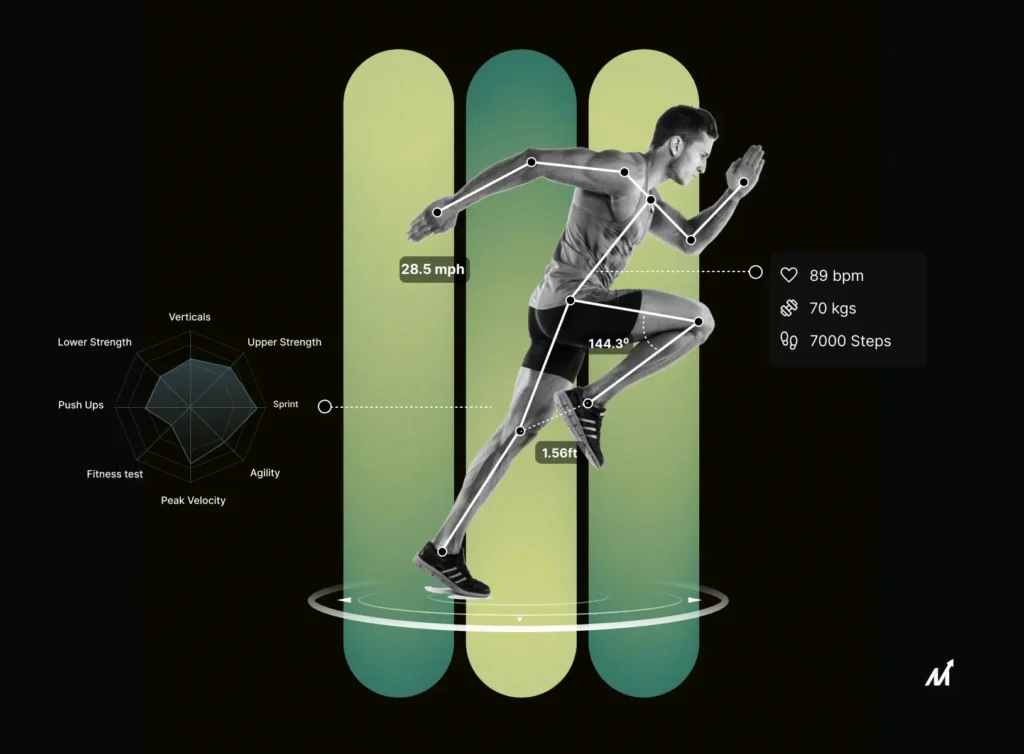
Artificial intelligence (AI) isn’t just changing how games are won—it’s reshaping the very careers behind athlete performance, training, and recovery. As technology moves from the sidelines into the heart of sports science, the profession’s future will be defined by how well graduates and practitioners adapt to a data-driven world where machines and human expertise work side by side.
THE TRANSFORMATION BEGINS NOW
AI and automation are already woven into the fabric of sports science. From automating data analysis to advanced athlete monitoring systems, technology is enhancing traditional practices while demanding new skills from professionals.
Employers increasingly prioritize candidates who can interpret complex datasets, understand machine learning basics, and bridge the gap between athletic performance and technological insights.
ROLES THAT MAY EVOLVE—OR DISAPPEAR
Some traditional duties are at risk of automation. Tasks such as manual performance data evaluation, physiological testing, and frame-by-frame video analysis are being rapidly streamlined by AI tools capable of faster, more precise output.
As a result, roles that focus heavily on routine technical work may diminish unless professionals adapt by building technical and analytical expertise.
HUMAN SKILLS MACHINES CAN’T REPLACE
Despite these shifts, the human element remains indispensable. Personalised coaching, nuanced injury diagnosis, ethical decision-making, and creative research—these facets of sports science still require emotional intelligence, contextual judgment, and empathy that AI can’t replicate.
Professionals who excel in these areas will continue to be valuable alongside advancing technology.
NEW CAREERS ON THE HORIZON
The integration of AI is creating exciting new paths. Emerging roles include:
• Sports Data Analysts: Specialists who convert dense performance metrics into strategic insights.
• Biomechanics AI Specialists: Professionals who develop models of human movement to tailor training and prevent injuries.
• Performance Technology Consultants: Advisors on selecting and applying AI tools for optimal performance outcomes.
• Rehabilitation Robotics Coordinators: Experts in merging robotics with clinical care for advanced recovery protocols.
These jobs reflect a shift from traditional observation to analytical decision-making grounded in sophisticated technology.
WHAT GRADUATES MUST LEARN
To thrive, future sports science professionals will need:
• Data literacy and analysis skills
• Programming knowledge (e.g., Python, R)
• Foundational understanding of machine learning
• Biomechanics and physiology expertise
Creative, critical thinking
More than 60% of sports science roles now expect candidates to merge technical capabilities with core domain knowledge, reshaping degree programs and professional preparation.
EDUCATION IS CATCHING UP—SLOWLY
Many sports science degrees are already introducing data analytics, wearable technology training, and basic AI coursework. Still, gaps remain, particularly in deep AI and complex algorithm instruction.
For students, seeking certificates and bootcamps in AI or data science can boost employability and ensure resilience in a competitive field.
LOOKING AHEAD
The global sports analytics market continues to expand rapidly, and regions leading in smart sports infrastructure—including North America and Europe—are at the forefront of integrating AI into everyday practice.
Sports science graduates who embrace interdisciplinary learning and continuous skill development will be best positioned to influence the future of athlete care, performance strategy, and technological innovation.
AI’s influence on sports science careers isn’t a distant possibility—it’s already here. Those who harness its power thoughtfully will not only work with technology but lead in shaping how sport evolves.