AIFF and ISL Clubs Join Hands for Historic Club-Led Model, Marking a New Beginning for Indian Football

Indian Football Enters a New Era
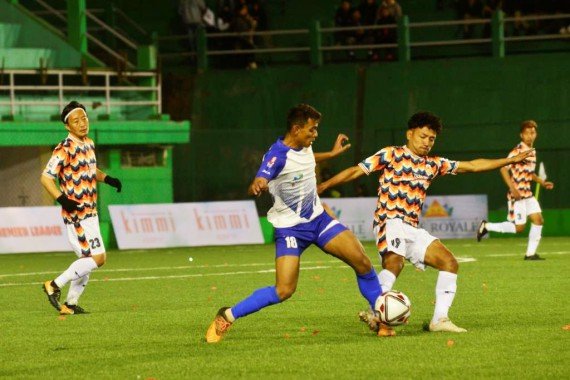
Indian football took a major step towards long-term stability on Wednesday as the All India Football Federation (AIFF) and representatives of the Indian Super League (ISL) clubs unveiled a new club-led commercial model for the country’s premier football competition. The agreement, reached after months of discussions, is expected to redefine how the league is operated and commercialised over the next four years.
The announcement was made at a joint press conference in New Delhi, attended by AIFF officials and club representatives from FC Goa, NorthEast United FC and Sporting Club Delhi.
Clubs to Lead Commercial Operations
Under the new structure, the ISL clubs will collectively own and manage the league’s commercial rights, including sponsorships, broadcasting and revenue generation. Meanwhile, AIFF will continue to oversee the competition’s sporting and regulatory responsibilities, such as administration, scheduling, disciplinary matters, player registrations and compliance with FIFA and AFC regulations.
The move brings Indian football closer to the governance model followed by several successful football leagues around the world, where clubs play a leading role in commercial growth while the national federation safeguards the sporting integrity of the competition.
Full Home-and-Away Season Returns
One of the biggest takeaways from the announcement is the return of a complete home-and-away league format for the 2026-27 ISL season. Unlike the shortened format witnessed previously, every participating club will play all of its scheduled home and away fixtures.
The league calendar will also be aligned with FIFA international windows and AFC club competitions, ensuring that both the Indian national team and clubs competing in Asia receive adequate preparation time.
Broadcast and Sponsorship Plans Underway
The newly formed club management committee will soon issue a Request for Proposal (RFP) to appoint a new broadcast partner while simultaneously approaching corporate sponsors to strengthen the league’s commercial ecosystem.
AIFF will invite all 14 eligible clubs to confirm their participation before finalising preparations for the upcoming season.
AIFF Seeks Stronger National Team Support
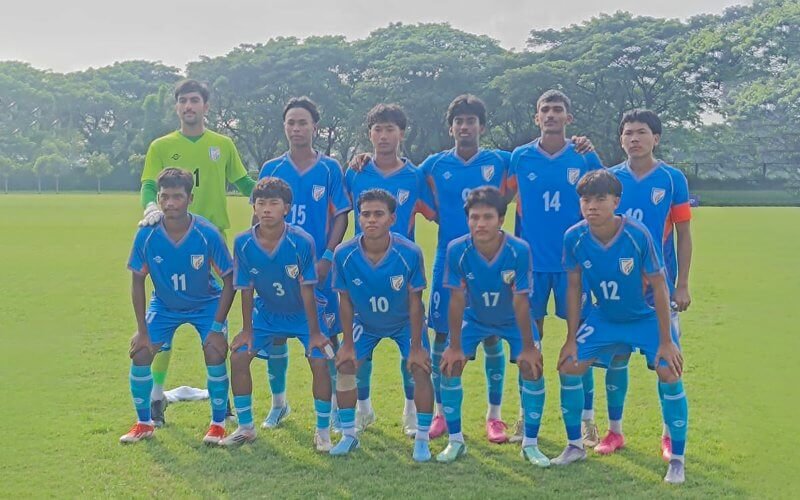
AIFF officials also emphasised the importance of cooperation from clubs in releasing players for longer national team camps. With clubs now becoming partners in the league’s management, the federation hopes scheduling conflicts can be reduced and better planning can be achieved for India’s international commitments.
What This Means for Indian Football
Although the announcement does not involve any on-field score or tournament result, it represents one of the most significant administrative reforms in Indian football in recent years.
Key Highlights:
Four-year club-led commercial model approved.
ISL clubs to manage commercial rights.
AIFF retains governance and regulatory control.
Full home-and-away format returns for the 2026-27 season.
Broadcast partner and sponsors to be appointed through a fresh RFP process.
League calendar to align with FIFA and AFC schedules.
Participation invitations to be sent to all 14 ISL clubs.
The agreement ends months of uncertainty surrounding the future of the Indian Super League and provides a clearer roadmap for sustainable growth. By sharing responsibilities between the federation and clubs, stakeholders hope to improve the league’s commercial strength, attract greater investment and create a stronger platform for Indian football in the years ahead.