IPL 2026: The New Powerhouses Redefining Franchise Cricket
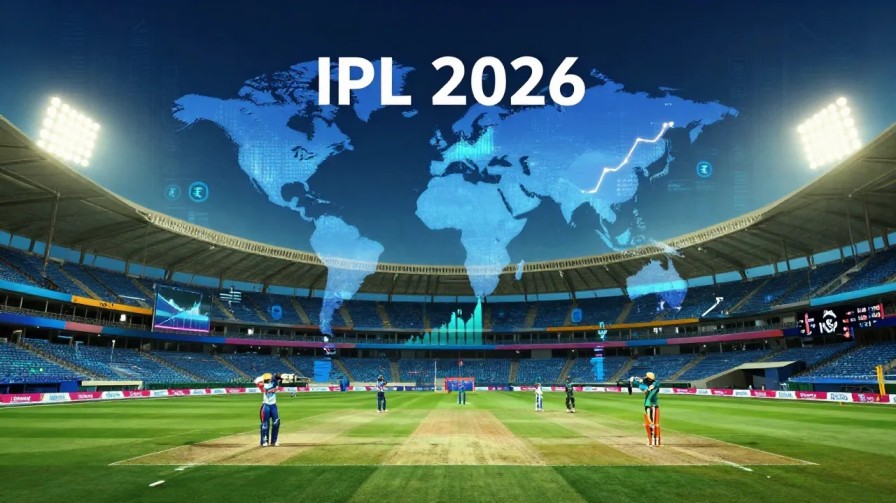
BHUBANESWAR: The Indian Premier League is no longer just a cricket tournament—it has evolved into a global sports business ecosystem, and IPL 2026 marks a defining shift in how franchises operate, compete, and scale. The 19th edition of the league begins with renewed energy, but behind the on-field action lies a deeper transformation—one driven by billion-dollar investments, analytics-led decision-making, and a decisive pivot towards Indian leadership.
Franchise Boom: Cricket Meets Global Capital
IPL franchises are witnessing unprecedented financial growth, with valuations crossing staggering levels. The recent sale of Royal Challengers Bengaluru for nearly $1.78 billion has reset benchmarks, while the Rajasthan Royals also crossed the billion-dollar mark.
Overall, IPL franchise valuations now exceed $18 billion collectively, reflecting its emergence as one of the world’s most valuable sports ecosystems. This influx of global investors—from private equity giants to US-based billionaires—is transforming franchises into multi-sport, multi-market brands.
The Rise of Data-Driven Teams
Modern IPL teams are no longer built purely on star power. Instead, franchises like Mumbai Indians and Gujarat Titans are focusing on squad continuity, analytics, and role clarity.
Gujarat Titans, for instance, have retained a strong core and prioritized stability over flashy auctions—an approach that has kept them consistent playoff contenders.
Meanwhile, Mumbai Indians have expanded their commercial and performance ecosystem, securing over 30 brand partnerships and growing sponsorship revenue significantly—highlighting how off-field strategy is now as critical as on-field success.
Indian Leadership Takes Center Stage
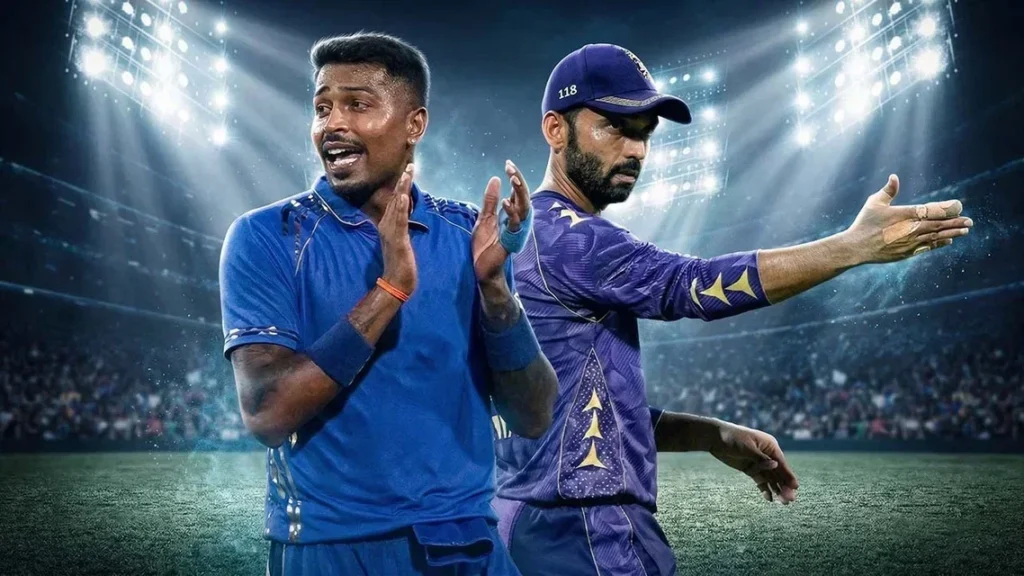
A notable shift in IPL 2026 is the dominance of Indian captains across franchises. For the first time, almost every team is led by an Indian player, reflecting both depth in domestic talent and a strategic shift towards homegrown leadership models.
This trend aligns with the league’s broader vision—developing Indian cricket leaders who can transition seamlessly into international roles.
Young Talent and the Next Big Wave
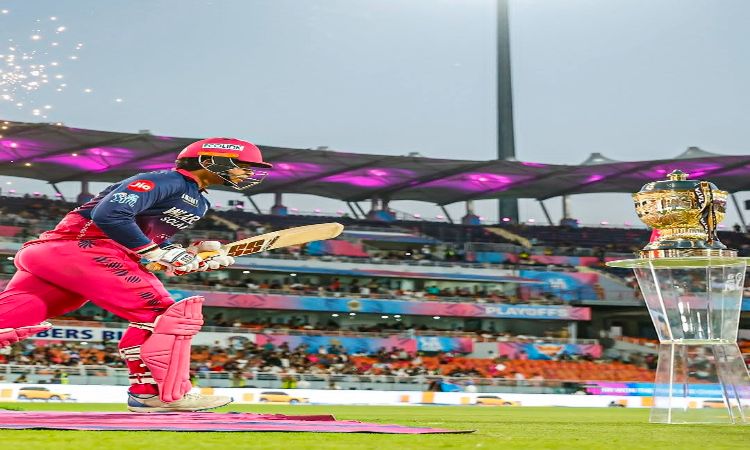
IPL continues to serve as a launchpad for young stars. The emergence of teenage talents like Vaibhav Suryavanshi has added fresh excitement, signaling a generational shift in Indian cricket. At the same time, experienced icons like Virat Kohli remain central to the league’s appeal, balancing youth with legacy.
IPL Goes Global
Franchises are no longer India-centric. Teams like Mumbai Indians have expanded into leagues in the US, UAE, South Africa, and even the UK—creating a global cricketing network. This multi-league model is reshaping the IPL into a year-round global brand rather than a seasonal tournament.
Format, Rules, and High-Scoring Cricket
The continuation of the “Impact Player” rule and batter-friendly conditions are expected to push scoring rates even higher this season, reinforcing IPL’s entertainment-first approach. With matches spread across major Indian cities and a packed schedule, IPL 2026 promises intensity both on and off the field.
The Bigger Picture
IPL 2026 represents a turning point where sport, business, and technology converge. Franchises are no longer just teams—they are global enterprises, talent factories, and entertainment brands. As investments rise and strategies evolve, the IPL is not just redefining franchise cricket—it is redefining the future of sports leagues worldwide.