IOC Confirms Highest Sustainability Standards for Future Corporate Events
The International Olympic Committee has reaffirmed its commitment to environmental responsibility by confirming that all future IOC corporate events will follow the organisation’s highest sustainability standards.
The announcement forms part of the IOC’s broader push to strengthen climate action and sustainable operations across the Olympic Movement. According to the committee, the updated approach will apply to conferences, meetings, forums and other official corporate gatherings organised under the IOC banner.
The new standards focus on reducing environmental impact while promoting responsible sourcing, waste reduction, energy efficiency and social inclusion. Organisers will also be expected to prioritise sustainable travel solutions, local procurement and environmentally responsible venue operations wherever possible.
Sustainability has become one of the central pillars of the IOC’s long-term strategy over the past decade. The organisation has increasingly faced pressure from environmental groups, athletes and host cities to ensure major sporting events operate with lower carbon footprints and stronger ecological accountability.
In response, the IOC has steadily expanded its sustainability framework beyond the Olympic Games themselves and into its day-to-day operations.
Officials stated that the updated standards are designed not only to minimise environmental harm but also to create measurable long-term impact. The initiative will reportedly include detailed monitoring systems to track emissions, resource usage and social responsibility targets connected to IOC corporate activities.
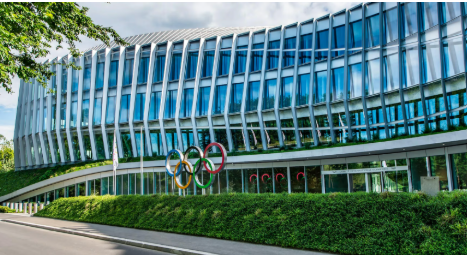
The IOC has already implemented several sustainability-focused initiatives in recent years, including renewable energy usage, waste management reforms and climate action programmes linked to future Olympic hosts. Olympic House in Lausanne, Switzerland, has often been presented as one of the organisation’s flagship sustainability projects because of its energy-efficient design and environmentally conscious infrastructure.
Environmental concerns surrounding mega sporting events have grown significantly in recent years. Critics have frequently questioned the long-term ecological costs of large-scale construction, international travel and resource consumption associated with global tournaments.
The IOC now appears determined to position itself as a leader in sustainable sports governance.
Climate action experts believe such policies could influence sporting organisations beyond the Olympic Movement as well. Because the Olympics remain one of the world’s most visible sporting platforms, sustainability measures adopted by the IOC often shape broader conversations around event management and environmental responsibility in international sport.
The committee also stressed that sustainability should not be viewed only through an environmental lens. Social inclusion, workforce wellbeing and responsible sourcing practices will also form major components of the updated standards.
While challenges remain in balancing global sporting events with environmental expectations, the IOC’s latest move signals a growing recognition that sustainability is no longer optional for modern sports organisations.
As preparations continue for future Olympic Games and corporate gatherings, the IOC hopes these stricter standards will strengthen its credibility while helping shape a more environmentally responsible future for international sport.