Park Builds India’s Next Badminton Stars
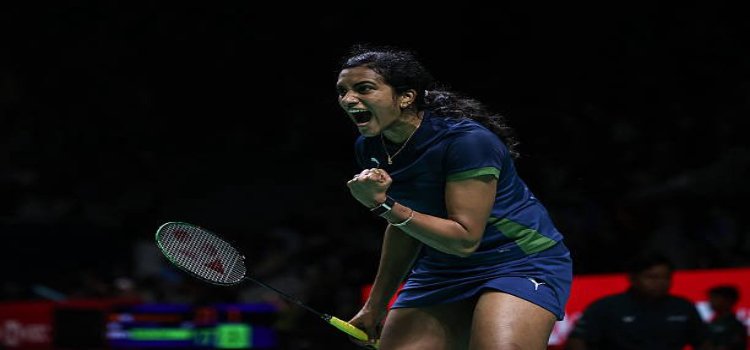
Two Super 300 titles in two weeks have given Park Tae-Sang the latest evidence that his long-term project with India’s next generation of badminton players is beginning to take shape.
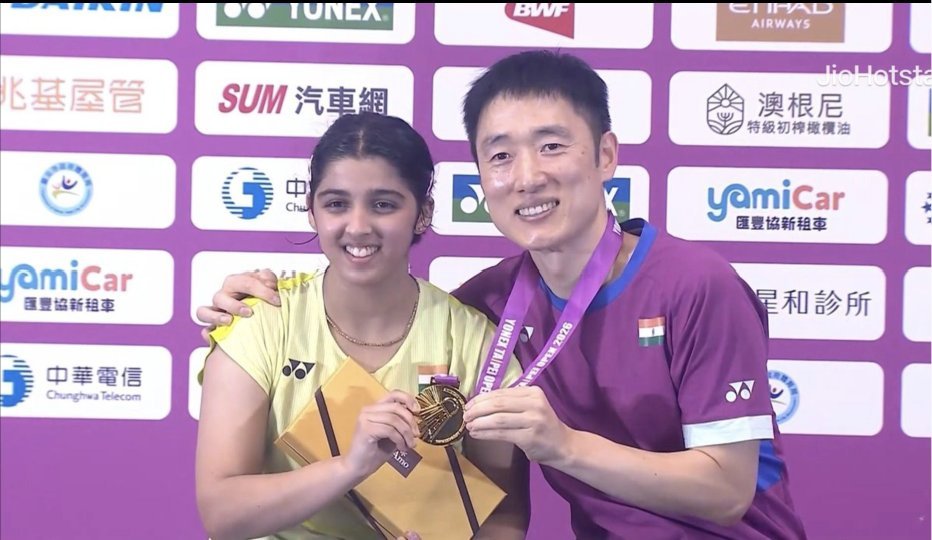
Seventeen-year-old Tanvi Sharma won the Taipei Open last Sunday before 26-year-old Ashmita Chaliha completed back-to-back victories for Park by claiming her maiden BWF World Tour title at the Korea Masters on Sunday.
For the South Korean coach, the consecutive triumphs are more than just a fortnight of success. They are part of a larger plan to develop Indian players capable of competing at the highest level.
“It’s been an amazing two weeks. Last week, Tanvi was also amazing. She is only 17 and won her first BWF-level title. Today, I was even happier because it was Ashmita’s first final and she won the title. As a coach, I’m really happy,” Park told PTI from Asan, Korea.
Olympic Qualification Is The Bigger Target
Park believes the two Super 300 victories should be treated as stepping stones rather than an end goal.
Both Tanvi and Ashmita will now be encouraged to compete more regularly at higher-level events, with the Olympic qualification race for the 2028 Los Angeles Games beginning on May 1 next year.
“I think winning two BWF 300-level titles in the last two weeks is a good achievement, but they are only 300-level tournaments. The players are now looking towards the 500, 750 and 1000-level tournaments,” Park said.
“Our bigger goal is the same for both Tanvi and Ashmita. From May 1 next year, the Olympic qualifying race for the 2028 Los Angeles Games will begin, so next year is going to be very important.”
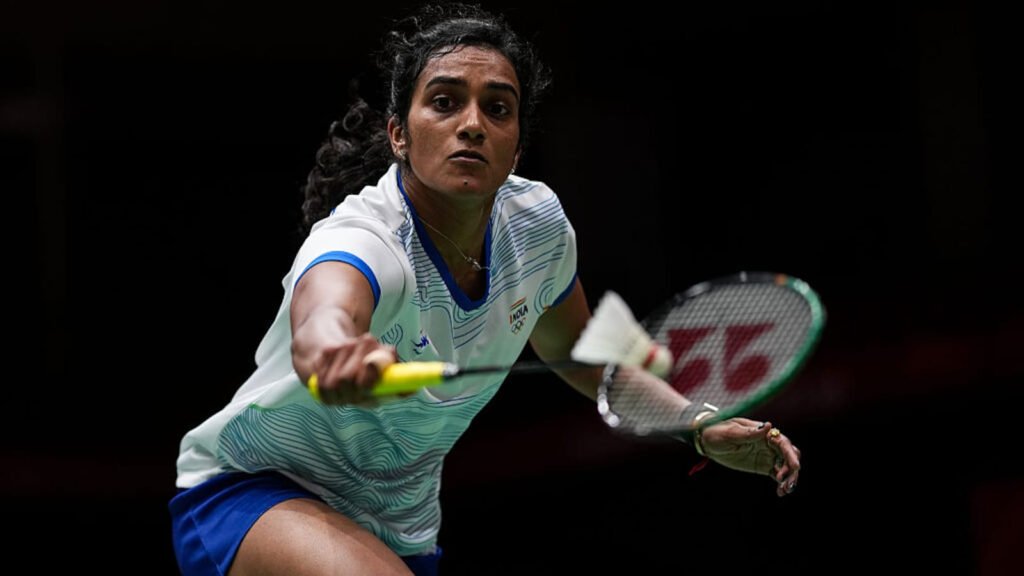
Ashmita’s improved ranking following her Korea Masters victory should give her access to some higher-tier tournaments, while the pair will face strong competition from established Indian players including PV Sindhu and Unnati Hooda.
“Yeah, 100 per cent. We will try. But we already have some very good players. Sindhu and Unnati are there, right? It will be very tough,” Park said.
Park Wants To Build From Scratch
Park’s current assignment is markedly different from his previous high-profile coaching role.
He spent four years working with Sindhu in Hyderabad, a period that culminated in the Indian star winning a bronze medal at the Tokyo Olympics.
After that association ended, Park was approached by the Badminton Association of India to work with younger players.
“When I started working with Sindhu, she was already a world champion and had a group of good senior players around her. This time, I thought to myself, ‘Okay, let’s start from the beginning. I will build these players myself, with my own hands,'” he said.
“The idea was to create a new generation of Indian players.”
Park has now spent three years at the National Centre of Excellence in Guwahati, where he has worked with a group of emerging players.
An Se-Young Sets The Benchmark
Park is not allowing Tanvi and Ashmita’s recent success to lower his expectations.
Instead, he points to world No. 1 An Se-young as the standard his players should aspire to reach.
“Actually, An Se-young is at another level. I tell my players that she should be their target. They have to aim for that level,” Park said.
The South Korean highlighted An’s consistency at the biggest tournaments, along with her physical strength and mentality.
“Look at An Se-young. She keeps winning 750 and 1000-level tournaments. Look at her mentality and look at her physical strength. Both are really, really strong.”
For Park, the challenge now is helping Tanvi and Ashmita develop the consistency required to compete at that level.
‘Aaramse’ Is Park’s Message
Park believes both players still need to improve how they handle changes in momentum during matches.
“They sometimes take a big lead and then suddenly make an easy service mistake or an easy net mistake,” he said.
At those moments, Park said he has to be more demanding from the sidelines and remind them not to rush.
“I always tell ‘Aaramse’. You are doing well. Why are you rushing yourself? Why are you putting so much pressure on yourself to finish the point quickly? Calm down. Aaramse.”
The Hindi word, meaning to stay relaxed or take it easy, has become one of Park’s favourite instructions to his Indian players.
He also wants them to improve their endurance, mental strength and on-court speed rather than dramatically alter their existing training programme.
“I don’t want to change my training style. Now Ashmita and Tanvi have to follow my instructions and train very hard. I will take care of their endurance and their mental strength. They also need more on-court speed training.”
Rising Competition Strengthens System
Park believes the growing depth in Indian women’s singles is helping create a healthier competitive environment.
Players such as Devika Sihag, Unnati Hooda, Tanvi and Ashmita are now pushing each other, with Devika’s Thailand Masters triumph earlier this year providing another example of what is possible.
“This is a very good system and a very good motivation for the players. Before, there were only a few Indian women’s singles players, mainly Sindhu and Saina,” Park said.
He used Devika’s success to challenge Tanvi and Ashmita to raise their own standards.
“Of course, they also have the ability to win titles. But sometimes they train a little harder for a period and then relax. Their movement becomes loose and they lose that intensity.”
Park Sees Bright Future For India
The coach’s confidence extends beyond his two latest champions.
Park pointed to India’s strong performances at junior level, including victories in both the girls’ Under-17 and Under-15 singles at last year’s Asian Junior Championships.
“I think the future of Indian badminton is very good. The junior and younger players in India are doing very well. The future is very strong,” he said.
He also thanked the Badminton Association of India and the National Centre of Excellence for supporting the emerging players.
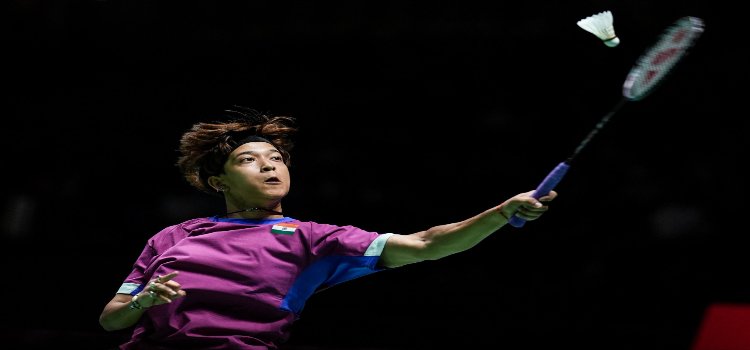
Among those Park is working with is men’s singles player Ronak Chauhan, who recently won bronze at the US Open.
For Park, the back-to-back Super 300 titles are therefore not the destination. They are an early indication that the next generation he set out to build may finally be arriving.