Simran Sharma Gets the Flag! Why Bhavina Patel Stepped Aside

India’s Asian Para Games flagbearer has changed at the last moment. Simran Sharma will lead the Indian contingent alongside Pramod Bhagat, while Bhavina Patel focuses on a crucial quarter-final that could shape her campaign.
Sometimes, the biggest sporting decisions happen away from the competition arena. Ahead of the Asian Para Games 2026, India has made a last-minute change to its flagbearers, replacing para table tennis star Bhavina Patel with sprinter Simran Sharma. The reason? A crucial match, a demanding journey and the need to put an athlete’s recovery first.
Simran will now carry the Indian flag alongside celebrated para badminton player Pramod Bhagat at the opening ceremony in Aichi-Nagoya, Japan. The decision highlights a simple but important priority: the honour of leading a nation should never come at the cost of an athlete’s preparation.
Asian Para Games 2026: Why Simran Sharma Replaced Bhavina Patel
The Paralympic Committee of India initially selected Bhavina Patel and Pramod Bhagat as India’s flagbearers. However, the schedule changed the equation.
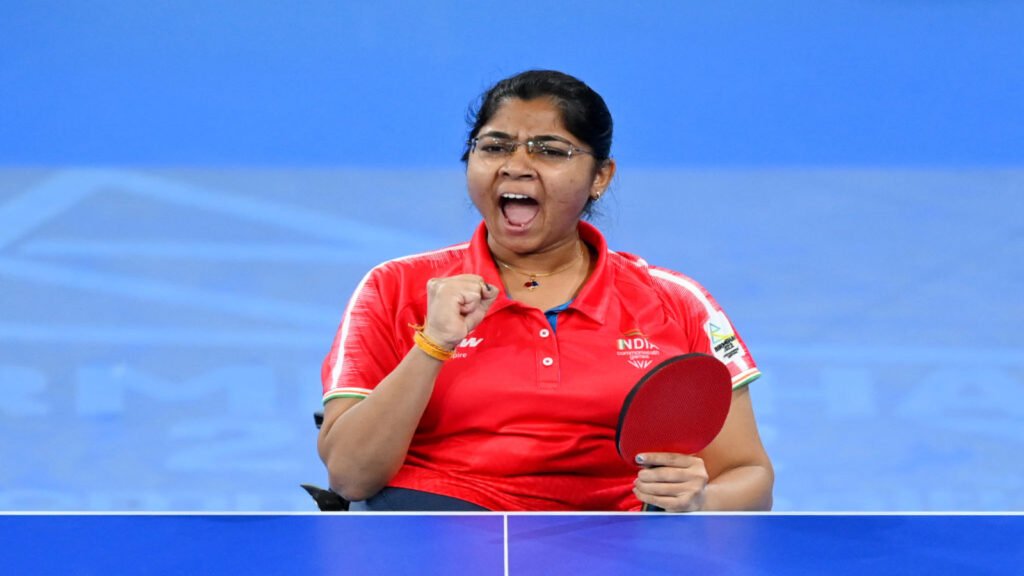
Bhavina, a wheelchair para table tennis player, has a crucial quarter-final scheduled for October 19. Attending the opening ceremony would involve a round trip of nearly six hours, potentially leaving her with limited time to rest and prepare for the knockout match.
The decision was therefore taken to protect her recovery and competition readiness. Para athletics head coach Satyanarayana emphasised that Bhavina needed adequate rest before the important fixture.
Rather than risk disrupting her preparation, the team chose Simran to take on the responsibility. It was a practical decision that placed sporting performance above ceremonial duties.
Sharma: From Sprinting Success to Carrying India’s Flag
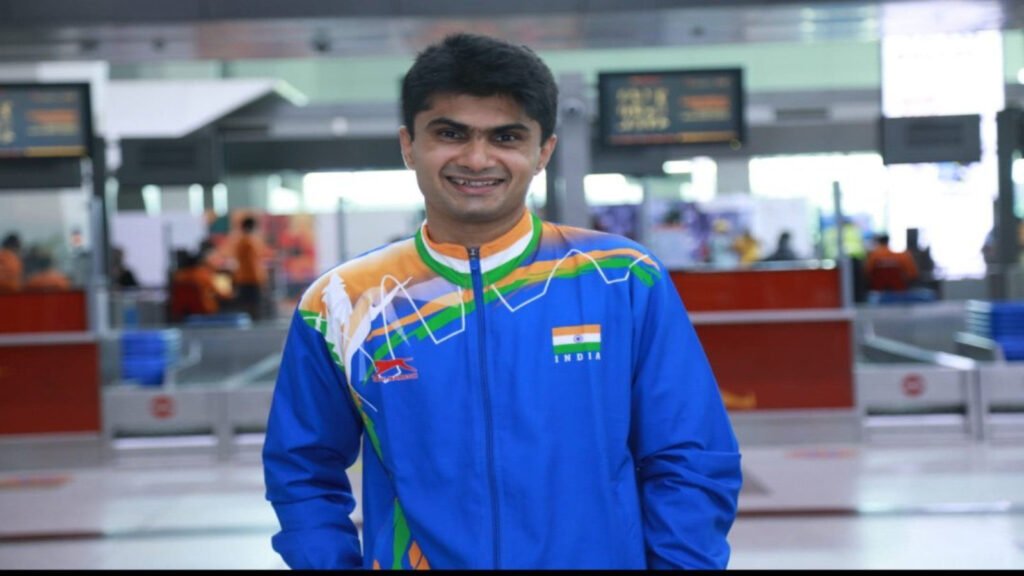
Simran’s appointment comes after a series of impressive performances on the international stage. The Indian para sprinter won gold in the women’s 100m T12 event at the 2025 World Para Athletics Championships in New Delhi, clocking a personal best of 11.95 seconds. She also secured silver in the 200m T12 event.
Her performances have established her as one of India’s leading para-athletics names. Competing in the T12 classification, which is for athletes with a visual impairment, Simran races with guide runner Umar Saifi.
Now, the sprinter will take on a different role: representing India at the opening ceremony of a major continental sporting event. It is a moment of recognition not just for her achievements on the track, but also for the determination and dedication she brings to Indian para sport.
Pramod Bhagat Joins Simran Sharma as India’s Flagbearer
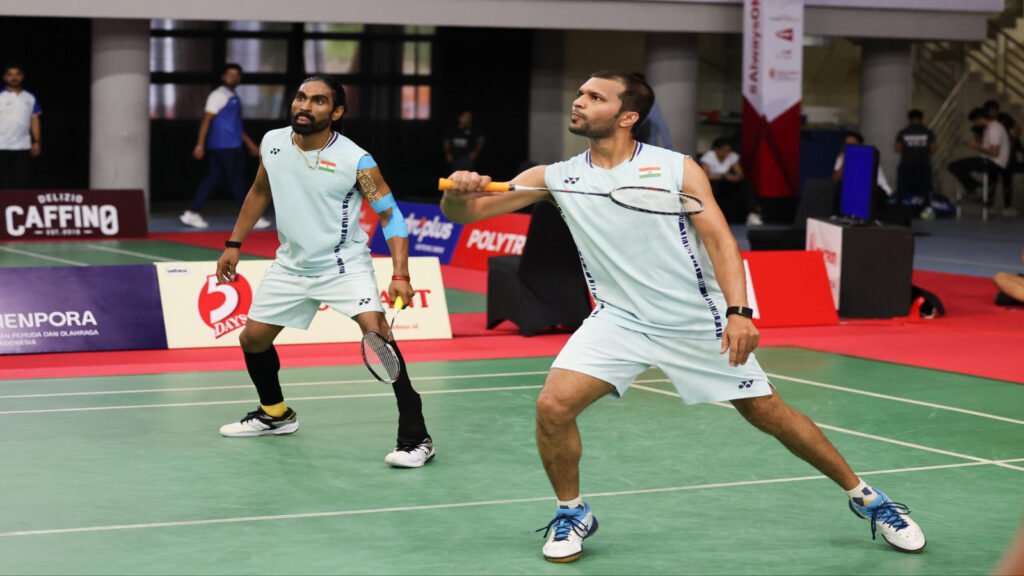
While Simran steps into the role, Pramod Bhagat remains India’s male flagbearer. One of the country’s most accomplished para badminton players, Bhagat has collected six medals across the 2014, 2018 and 2023 Asian Para Games, including two gold and four bronze medals.
Bhavina has also enjoyed success at the continental event, winning silver in para table tennis in 2018 and bronze in 2023. Her replacement does not diminish those achievements; instead, it reflects the importance of balancing ceremonial responsibilities with the demands of competition.
Together, Simran and Bhagat will represent an Indian contingent hoping to build on its record-breaking performance at the previous edition.
India’s 100-Medal Ambition Faces a Big Test in Japan
India heads into the 2026 Asian Para Games after winning a record 111 medals in Hangzhou in 2023, including 29 gold, 31 silver and 51 bronze. This time, the contingent is smaller, with 168 athletes competing across 11 sports.
Para athletics and para badminton are expected to play central roles in India’s medal campaign. Simran will be among the athletes carrying those expectations, while Bhagat brings extensive experience from previous editions.
The Games run from October 18 to 24 in Aichi-Nagoya, Japan. With the ceremony approaching and competition already underway in some sports, India’s athletes face a demanding week of events.
The change in flagbearers may appear small, but it sends a meaningful message: the real priority is not who walks at the front of the contingent, but who is ready to compete when it matters most.