Fariba Hashimi’s Asian Games Silver Carries a Story of Survival
Fariba Hashimi Turns a Difficult Past Into a Medal
Afghanistan’s Fariba Hashimi produced one of the most powerful stories of the 2026 Asian Games when she won silver in the women’s road race near Nagoya. Her achievement came five years after she fled Afghanistan following the Taliban’s return to power, a period that forced her to leave behind her home and continue her sporting career elsewhere. Before leaving the country, Hashimi had trained for cycling while disguising herself as a boy because she feared being attacked for participating in a sport considered inappropriate for women. Her Asian Games medal therefore represented not simply a sporting result, but another significant chapter in an extraordinary journey.
Cycling Became Hashimi’s Route to a New Life
Hashimi’s relationship with cycling began in circumstances where simply training could carry serious risks. According to her account reported by BBC Sport, she disguised herself as a man while training because women’s participation in sport was heavily restricted and she feared for her safety. When the Taliban returned to power in 2021, Hashimi fled Afghanistan. She eventually continued her cycling career abroad, with the sport becoming an important part of rebuilding her life. The move also separated her from the environment in which she had first discovered competitive cycling. Her progress since then has taken her onto international roads and, eventually, the Asian Games podium.
Fariba Hashimi Reaches the Asian Games Podium
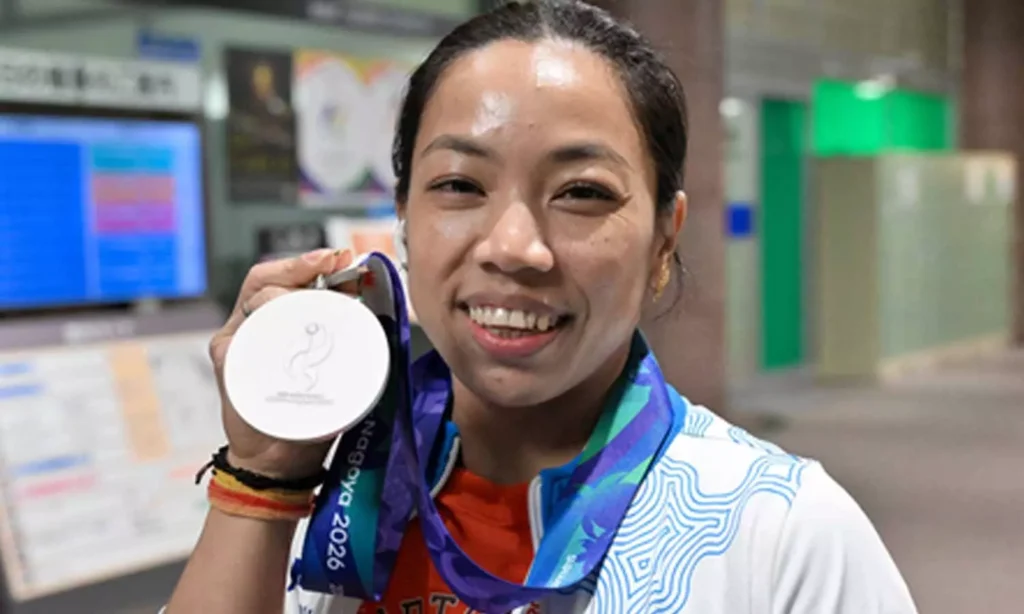
The Asian Games 2026 road race provided Hashimi with the biggest continental opportunity of her career. Competing in Japan, she secured the silver medal in the women’s road race, finishing behind fellow Afghan rider Yulduz Hashimi and ahead of another Afghanistan representative, according to reports from the event. The podium was notable because Afghanistan’s cycling story at the Games was closely connected to the journeys of women who had continued competing despite the restrictions they faced at home. Hashimi’s medal also gave her an opportunity to compete under the Afghan flag on a major international stage after rebuilding her sporting career outside the country.
A Medal That Goes Beyond Cycling
Hashimi’s story has significance beyond the result recorded on the Asian Games cycling table. Afghanistan’s women have faced severe restrictions on participation in public life and sport since the Taliban returned to power. Hashimi’s earlier decision to disguise herself while training illustrated the risks she associated with simply pursuing her chosen sport. Her eventual escape allowed her to continue competing internationally. The silver medal in Japan consequently became a visible reminder of how far her career had travelled from those difficult beginnings. Rather than ending with her departure from Afghanistan, her sporting ambitions continued to develop on the international circuit and eventually brought her to one of Asia’s largest multi-sport events.
Fariba Hashimi’s Silver Marks a New Chapter
For Hashimi, the Asian Games medal now becomes another milestone in a career shaped by resilience and major changes in her personal circumstances. She had to leave her country, adapt to a new environment and continue developing as a cyclist away from home. In Japan, that long journey translated into a silver medal on the road. The achievement also placed her story before a much larger international sporting audience. While the medal itself will remain the official measure of her Asian Games performance, the circumstances behind it make the achievement particularly significant. Fariba Hashimi’s journey demonstrates how sport can continue to provide a route forward even after circumstances force an athlete to begin again elsewhere.