Aichi-Nagoya Asian Games Open With Colourful Ceremony
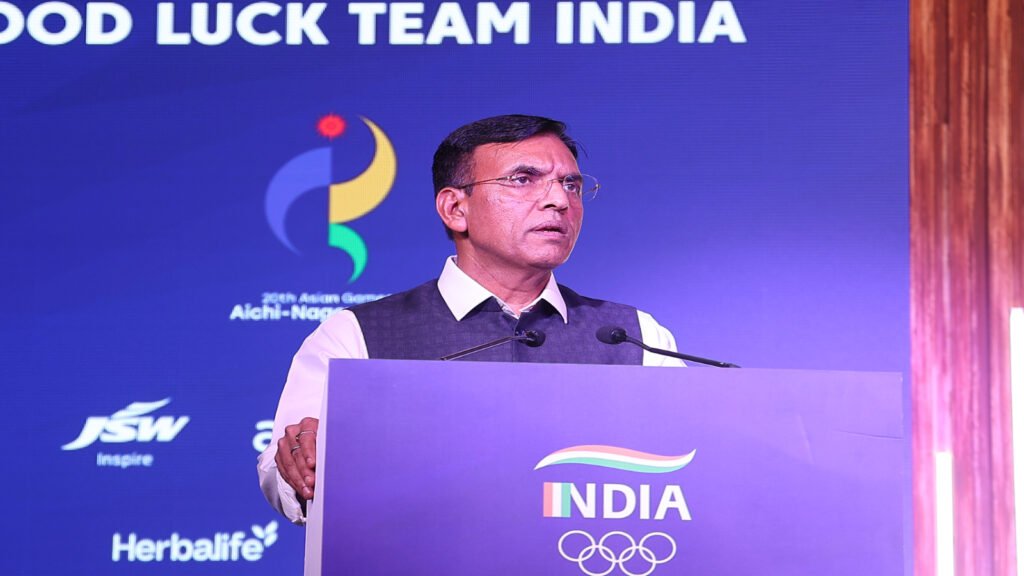
Japan showcased its technological prowess and rich cultural heritage on Saturday as the Aichi-Nagoya Asian Games opened with a colourful yet restrained ceremony, offering a positive moment after organisational and logistical troubles had clouded the build-up to the continental sporting extravaganza.
Over the next 15 days, around 11,000 athletes from 45 nations will compete across 43 sports and 71 disciplines, with 469 gold medals on offer before the Games conclude on October 4.
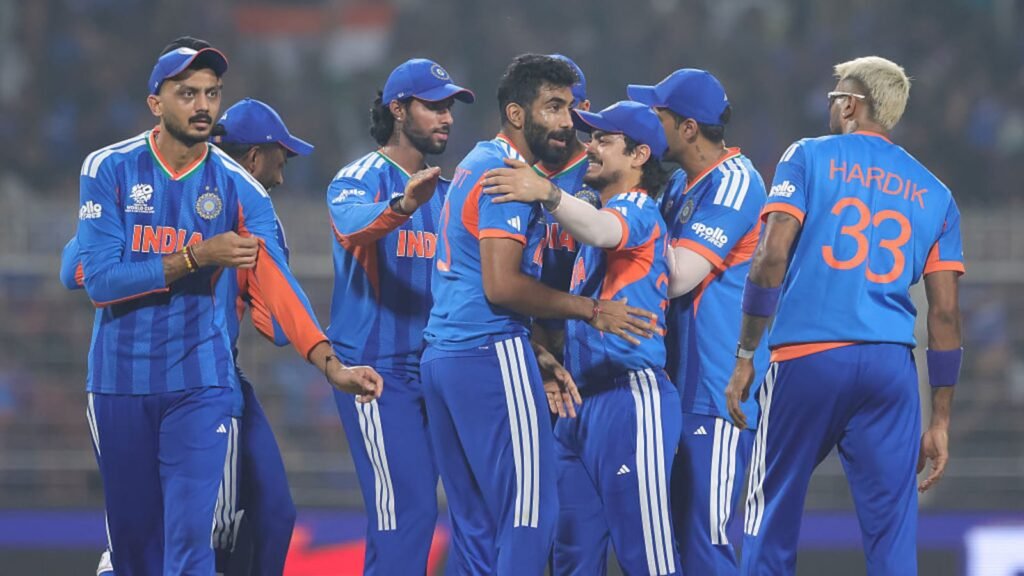
Competitions in basketball, football, cricket and some other sports had already begun before the opening ceremony.
‘Harmonic Heart Beat’ Sets The Tone
With the theme ‘Harmonic Heart Beat’, Japan is hosting the Asian Games for the third time after Tokyo in 1958 and Hiroshima in 1994.
The centrepiece of the two-hour ceremony at the packed 30,000-capacity Mizuho Park Athletic Stadium was a heart-shaped main stage, symbolising the idea of ‘One Asia’ and the connection between athletes and people across the continent.
The ceremony brought together Aichi’s industrial technology and traditional Japanese art, including a Kabuki-inspired stage element alongside a giant industrial robotic arm waving a flag.
Japanese Emperor Naruhito formally declared the 20th Asian Games open midway through the ceremony. Empress Masako, Olympic Council of Asia president Sheikh Joaan bin Hamad Al Thani and International Olympic Committee president Kirsty Coventry were also present.
Japan’s industrial identity featured prominently in the show, with the Toyota-developed Accessible People Mover (APM) making an appearance. The specialised low-speed mobility vehicle was originally developed for the Tokyo 2020 Olympic and Paralympic Games.
India Led By Manu Bhaker And Pawan Sehrawat
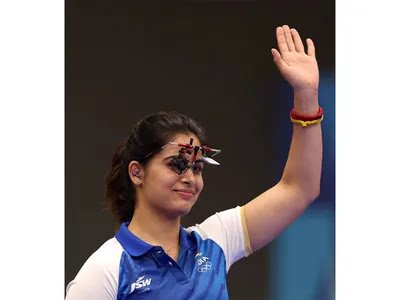
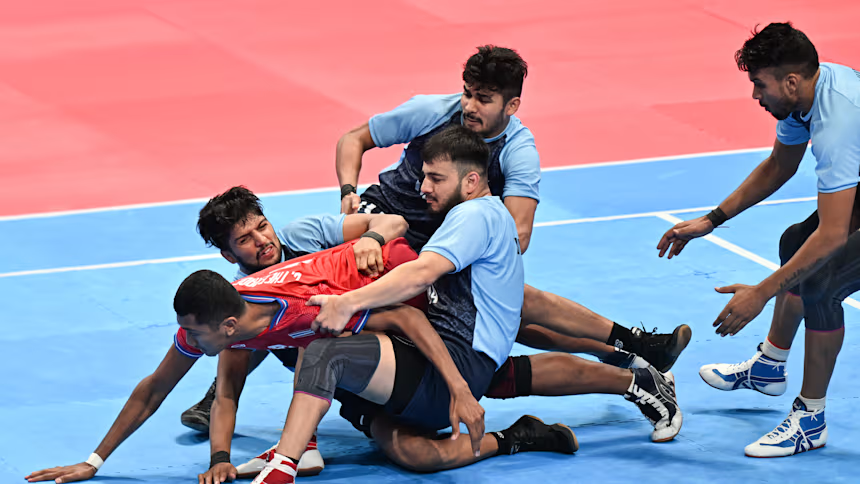
India made its entry during the Athletes Parade led by Olympic medallist Manu Bhaker and kabaddi star Pawan Sehrawat.
Bhaker and Sehrawat led a 150-member Indian contingent into the stadium to loud applause. Bhaker wore a navy blue saree and was accompanied by Sehrawat, who wore a ceremonial bandhgala-style jacket.
The Indian male athletes also wore navy blue bandhgala-style ceremonial jackets with matching trousers.
The Olympic Council of Asia’s Refugee team, comprising two athletes, entered shortly before hosts Japan. As per tradition, Japan brought up the rear of the parade.
The hosts are fielding the largest contingent at the Games, with more than 900 Japanese athletes.
Technology Meets Traditional Japanese Art
The opening ceremony began with a welcome performance titled ‘Awakening of the Space and the Resonating Heart Beat’.
Popular Japanese violinist and composer Taro Hakase provided the musical backdrop as lights and lasers illuminated the stadium.
A 10-metre-tall flag rose like a beacon while heart-shaped ‘angel drones’ moved around the venue, reinforcing the ceremony’s central theme.
The visual spectacle was accompanied by a welcome dance, with 240 citizen dancers from Nagoya and other parts of Aichi taking part.
Grouped into four colours, the dancers emerged from beneath the stage and repeatedly converged and separated to represent the interconnectedness and rhythm of life.
The performance eventually saw the dancers form the word ‘WELCOME’ as Japan extended its hospitality to athletes from across Asia.
The Japanese flag was subsequently raised and the national anthem performed before the Athletes Parade got underway.
Games Begin After Troubled Build-Up
The opening ceremony provided a celebratory start to an event whose preparations had been overshadowed by a series of operational and logistical problems.
Issues including accommodation concerns and organisational difficulties had put the organising committee and OCA under pressure during the build-up.
The troubles also contrasted with Japan’s history of successfully staging major international sporting events, including the 2002 FIFA World Cup and the 1964 and 2021 Olympics.
With the ceremony now complete, attention will shift firmly to competition as athletes from across Asia begin their pursuit of medals over the next two weeks.