Moosa’s Masterstroke: How India’s Second-String Side Won a Historic 10th SAFF Title
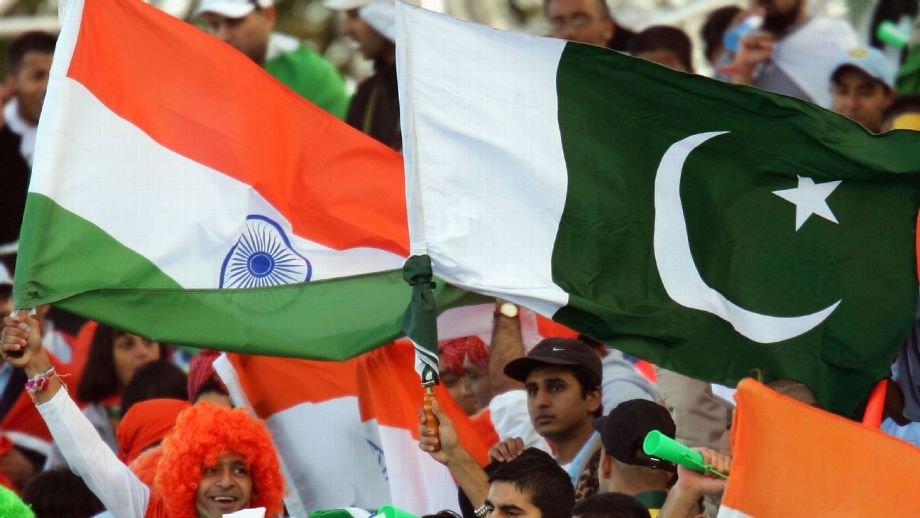
A Title Won Against the Odds
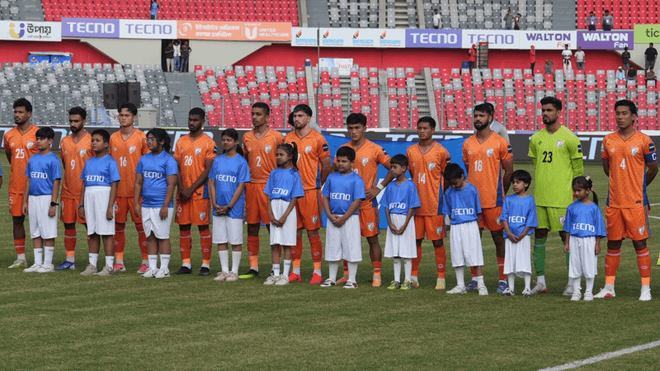
India’s 10th SAFF Championship title will be remembered not just for the result, but for the circumstances in which it was achieved. Led by head coach Naushad Moosa, a largely inexperienced Indian side overcame significant squad problems to defeat Pakistan 2-1 in the final at the National Stadium in Dhaka on November 17.
India entered the tournament without several established senior-team regulars, as the main national team was preparing for its New Zealand tour under head coach Khalid Jamil. Moosa, who also coaches the India U-23 men’s team, was entrusted with leading the developmental squad in Bangladesh.
What followed was a demanding campaign that tested the team’s depth, discipline and resilience. Despite the difficulties, India retained the title, extended its record to 10 championships and became the first team to win three consecutive SAFF titles.
Squad Problems Put Moosa’s Plans to the Test
India’s difficulties began with uncertainty over player availability. After the opening match against Pakistan, several players were called away for the senior team’s New Zealand tour, while Mumbai City FC also recalled three players who had been released for the tournament.
Liston Colaco, Muhammad Suhail and Bijoy Varghese were among those called up for the New Zealand friendlies, along with Tomba Singh, who had joined the SAFF group as an injury replacement. Mumbai City FC subsequently recalled Valpuia, Farukh Choudhary and Noufal PN under its player-release arrangement.
Injuries to Suresh Singh Wangjam and Ronney Kharbudon added to the problems. With no replacements available, Moosa was left with only 17 outfield players and three goalkeepers for the remainder of the competition.
The limited options placed additional responsibility on the players who remained. Midfielders Ricky Shabong and Abhishek Suryavanshi, in particular, had to shoulder a heavy workload, while the younger members of the squad were required to step up against more experienced opposition.
Moosa Focused on Solutions, Not Excuses
The circumstances could easily have become an excuse for underperformance. Instead, Moosa consistently backed his players and treated the group as India’s national team rather than a reserve outfit.
His approach helped create a sense of responsibility within the squad. Experienced figures such as Chinglensana Singh Konsham provided leadership, while players including Ricky Shabong, Nikhil Prabhu, Manglenthang Kipgen and Macarton Nickson made important contributions.
The campaign also highlighted the value of India’s younger talent. Suhail Ahmad Bhat emerged as one of the team’s most influential attacking players, while Sandip Mandi eventually delivered the decisive moment in the final.
India Turned the Final Around Against Pakistan
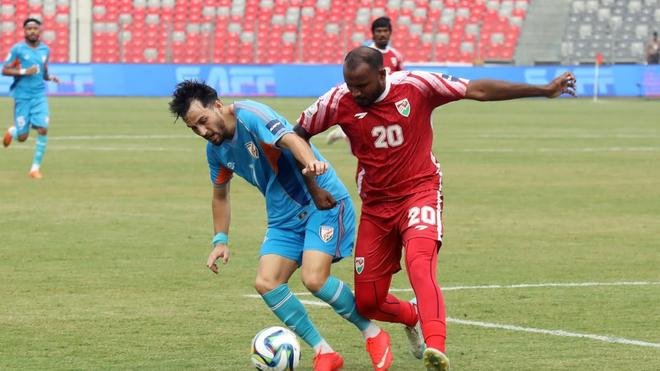
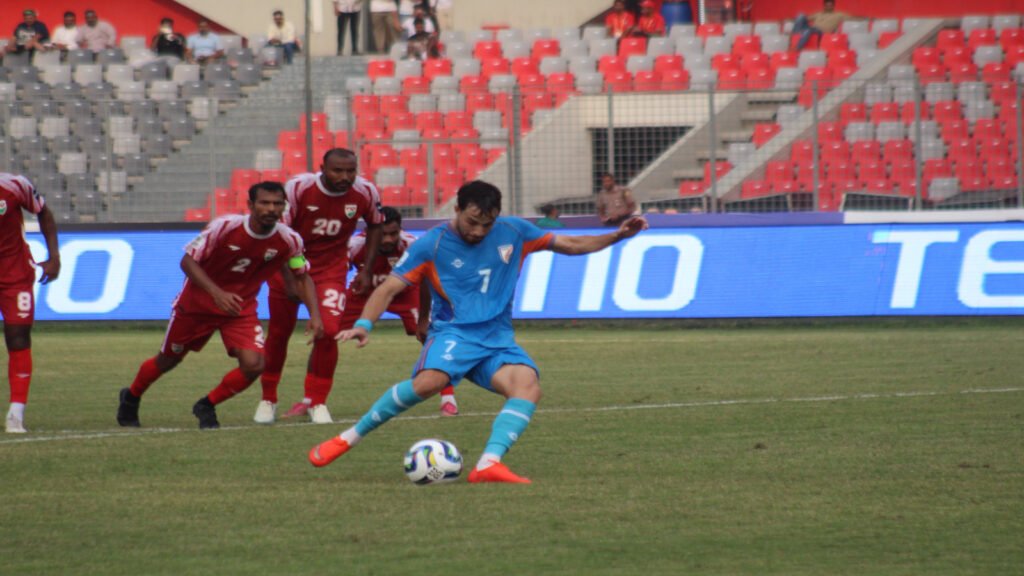
The final against Pakistan provided the strongest test of Moosa’s team. Pakistan started with greater attacking intent and took the lead in first-half stoppage time through Alamgir Ghazi, who curled the ball into the far corner to make it 1-0.
India needed a response after the break, and the contest changed significantly when Pakistan defender Junaid Shah was shown a straight red card following a VAR review for his challenge on Brison Fernandes.
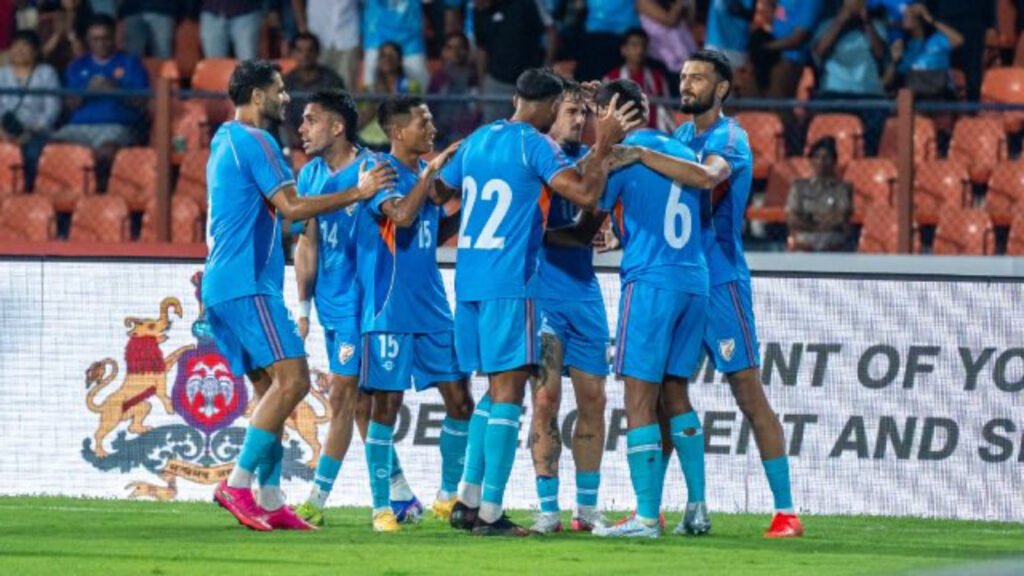
India capitalised on the numerical advantage almost immediately. Suhail Ahmad Bhat brought the defending champions level in the 60th minute after a set-piece delivery from Khaiminthang Lhungdim and a touch from Macarton Nickson created the opportunity.
With the match heading towards its closing stages, India continued to search for a winner. Their persistence paid off in the 88th minute when Sandip Mandi headed home from Abdul Rabeeh’s corner to complete the comeback.
The 2-1 victory secured India’s 10th SAFF Championship crown and its third consecutive title, following triumphs in 2021 and 2023.
A Significant Achievement for Indian Football
The triumph was a major statement about the depth of Indian football and the ability of young players to handle international pressure. It also underlined Moosa’s contribution in keeping the group focused despite limited resources and constant changes to his available squad.
For Pakistan, the defeat meant missing out on a maiden SAFF Championship title after reaching the senior tournament’s final for the first time. For India, however, the night in Dhaka became another milestone in its regional dominance.
Moosa’s achievement was not simply about winning another trophy. It was about building a competitive team under difficult circumstances and getting the best out of players who were given an opportunity to represent the country. The historic 10th title and the three-peat made the campaign one of the most notable recent achievements in Indian men’s football.