Sindarov Triumphs As Youngest Ever World Cup Champion
GOA:
A Stunning Victory That Reshapes The Chess Landscape
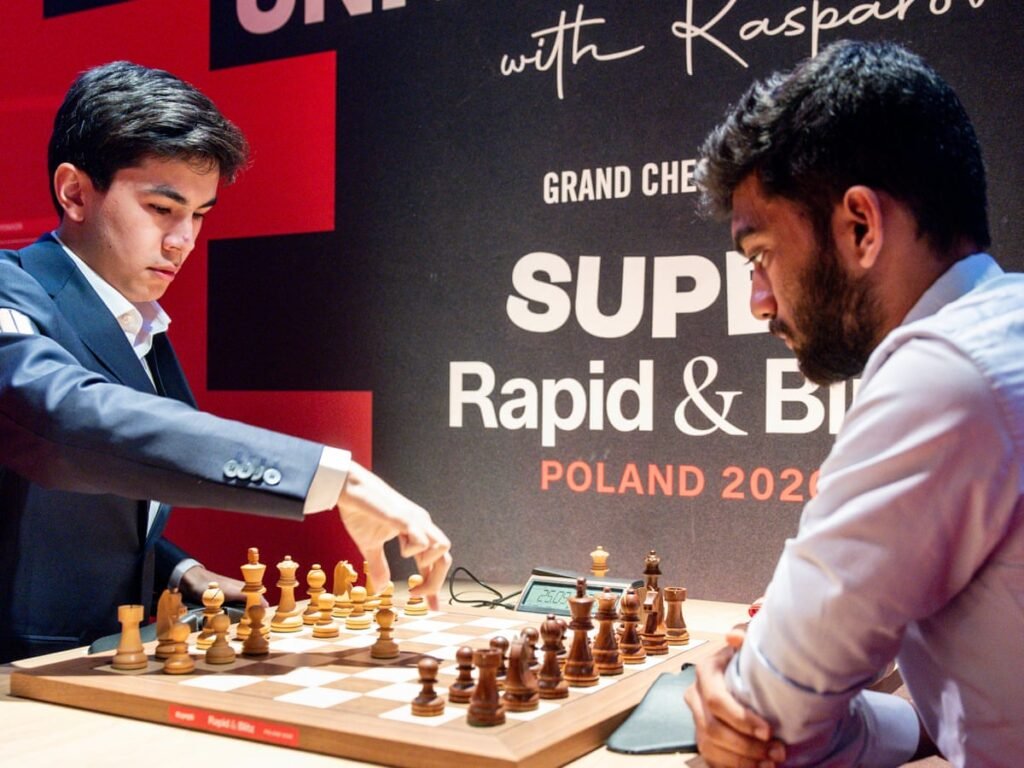
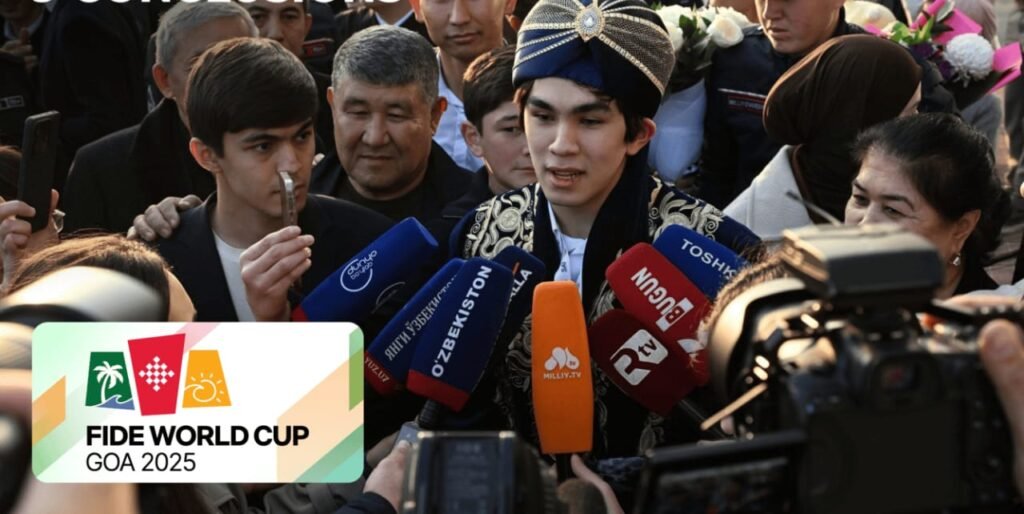
Javokhir Sindarov, the 19-year-old prodigy from Uzbekistan, has carved his name into chess history by winning the 2025 FIDE World Cup. Seeded 16th and considered an outsider compared to the sport’s biggest names, Sindarov delivered a series of masterful performances to emerge as the youngest World Cup champion ever.
The victory earns him not only global acclaim but also a coveted seat in the 2026 Candidates Tournament, bringing him one step closer to a potential world championship showdown. Upon returning home, he was greeted as a national hero, receiving state honors, a new apartment and financial rewards in celebration of his milestone achievement.
Youth Surge Defines The 2025 Tournament
The World Cup reinforced a growing shift in elite chess: teenagers and early-20s talents now dominate the top tier. Sindarov’s victory, alongside strong runs by several other youngsters, highlighted a new era where rapid improvement, deep preparation and AI-supported training are closing the gap between rising stars and established grandmasters.
Unexpected Names Qualify For The 2026 Candidates
Sindarov’s triumph was only part of the World Cup’s surprises. Wei Yi and Andrey Esipenko joined him in securing qualification for the 2026 Candidates Tournament, setting up one of the most unpredictable line-ups in recent years. With several top seeds eliminated early, the path opened for ambitious young challengers to seize the moment.
Upsets Dominate As Top Seeds Fall Early
The event proved unforgiving for many of the world’s highest-rated stars. Knockout pressure, intense preparation and razor-thin margins led to early exits for numerous favorites. The Goa edition of the World Cup demonstrated once again that in a short match format, even elite players are vulnerable.
Knockout Format Continues To Be A Great Equalizer
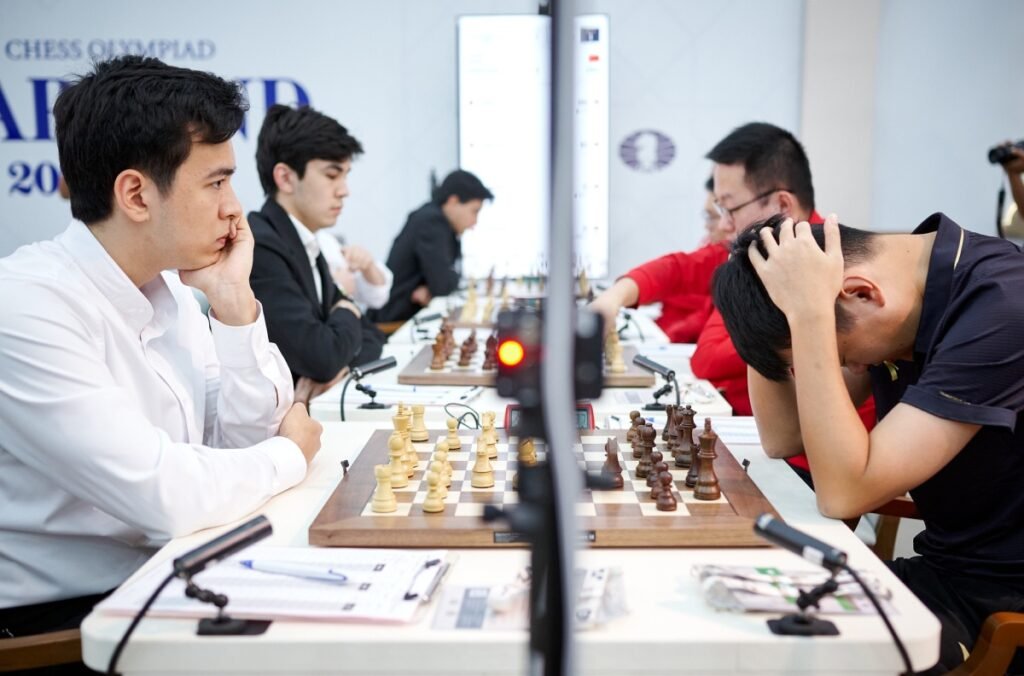
The World Cup’s rapid-fire format—where two classical games can determine a player’s fate—remained a powerful equalizer. Matches frequently spilled into rapid and blitz tiebreaks, giving lower-rated players real chances to topple giants. Sindarov himself relied on multiple tiebreak victories en route to the title.
Underdogs Capture Global Attention
The tournament showcased fresh talent from across the chess world. Lesser-known grandmasters delivered memorable upsets, deep runs and thrilling tiebreak performances, reminding fans why the World Cup stands among the most exciting events in the sport.
Goa Shines As A Successful Host
Despite early skepticism about logistics and venue selection, Goa exceeded expectations. The event offered strong organization, enthusiastic crowds and high-quality games, helping cement India’s reputation as a leading host for major international chess competitions.
Home Advantage Fails To Materialize For India
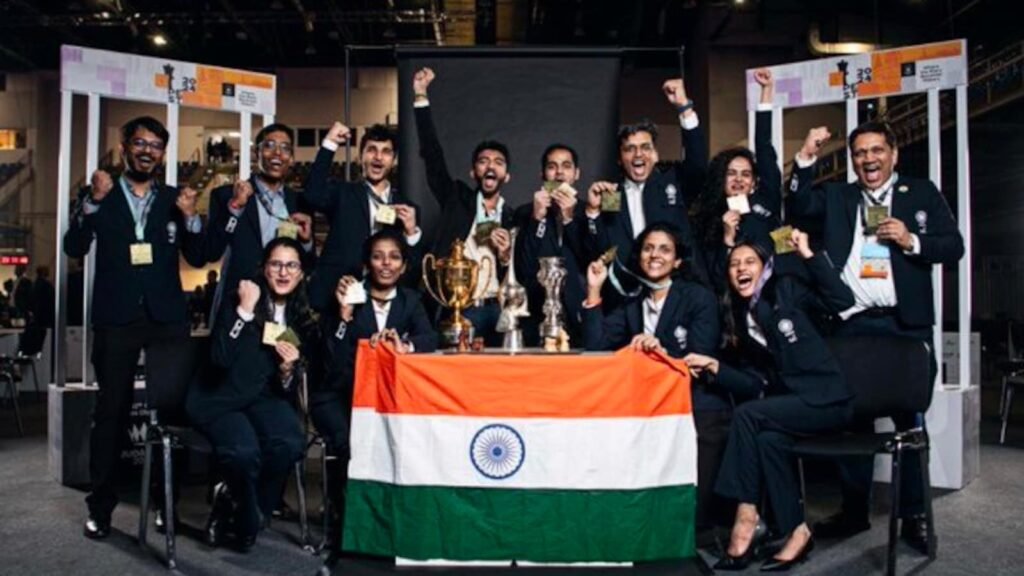
India entered the tournament with a record 24 participants—more than any other nation. Yet only one reached the quarterfinals. The performance showed how fiercely competitive the World Cup has become, and that even home support cannot guarantee deep progression.
A New Era For Uzbek Chess
Sindarov’s victory marks another major milestone for Uzbekistan, following the nation’s impactful performances in recent Olympiads and team events. With a growing pipeline of young stars and strong national support, Uzbekistan is emerging as a global chess powerhouse.
A Champion For The Future
Javokhir Sindarov’s historic triumph signals the rise of a new generation ready to reshape the hierarchy of world chess. With the Candidates Tournament on the horizon, the young Uzbek will soon face an even greater challenge—but for now, the chess world celebrates the arrival of its newest superstar.