ICC Braced For Major Financial Hit If Pakistan V India World T20 Game Is Called Off

Marquee Clash Puts Global Cricket Body Under Severe Commercial Pressure
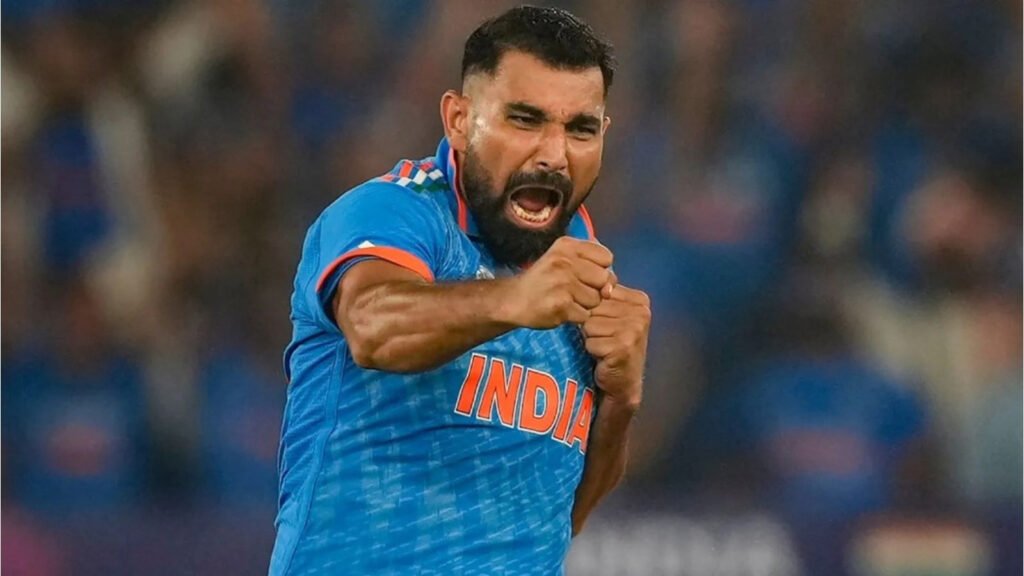
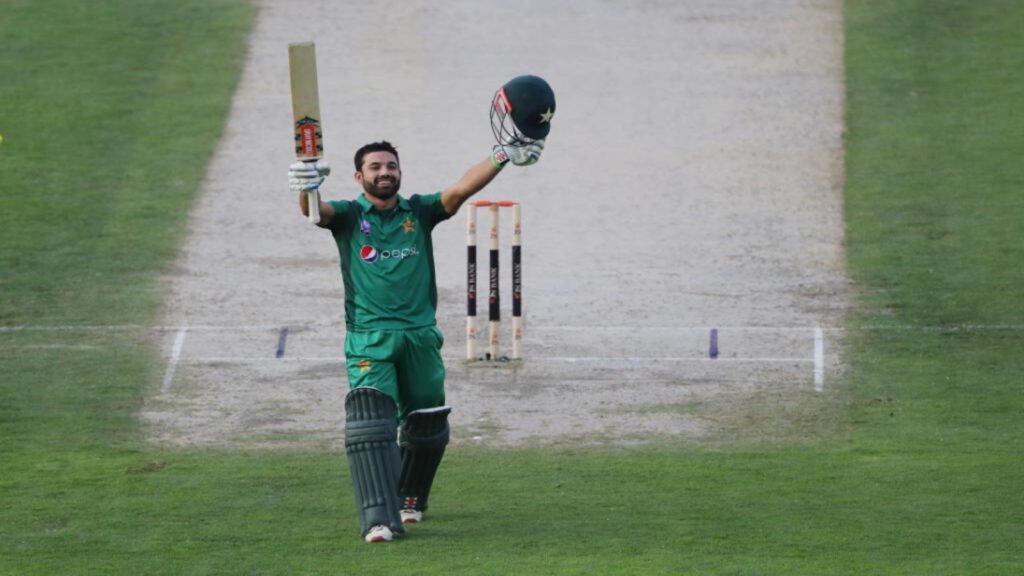
The International Cricket Council (ICC) is preparing for a significant financial setback as uncertainty grows over whether the high-profile Pakistan versus India match at the T20 World Cup 2026 will go ahead as scheduled. The fixture, one of the most watched events in world sport, is considered central to the tournament’s commercial success.
The match, set to take place in Colombo, has come under threat due to political and diplomatic tensions, raising fears of a possible boycott. Any cancellation or forfeiture would deal a heavy blow to the ICC’s broadcast and sponsorship revenues.
Broadcast Deals And Revenue Streams At Risk
India-Pakistan encounters consistently attract massive global audiences and are the biggest drivers of advertising revenue for international cricket. Broadcasters have built their commercial strategies around these fixtures, and their absence could trigger demands for compensation or rebates.
Industry sources suggest that the ICC’s long-term media rights agreements, worth billions of dollars, could be directly affected. A single missed fixture of this magnitude could reduce tournament value and weaken future negotiations with broadcasters.
ICC In Talks To Avoid Crisis
Senior ICC officials are engaged in urgent discussions with key stakeholders in an effort to prevent the situation from escalating. The governing body is exploring diplomatic and logistical solutions to ensure the match proceeds without setting a precedent for future withdrawals.
While the ICC has so far avoided public confrontation, it is understood that contingency plans are being considered should the game fail to take place.
Wider Impact On Global Cricket
Beyond immediate financial losses, a cancelled India-Pakistan match could have long-term consequences for the global game. Many smaller cricketing nations depend heavily on ICC revenue distributions, which are bolstered by blockbuster fixtures involving major teams.
A failure to stage the match would not only affect the T20 World Cup but could also reshape how future tournaments are structured, scheduled, and insured against political disruptions.
As the tournament draws closer, pressure continues to mount on all parties involved to find a resolution that protects both the integrity of the competition and the financial stability of world cricket.