


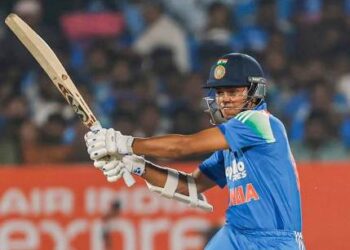
Indian captain Shubman Gill stressed that a cricketing set-up founded on Test excellence naturally produces strong ODI and T20 sides, but not vice versa. Speaking ahead of the second Test against West Indies, Gill avoided directly addressing calls for a two-tier Test system, instead highlighting the importance of a solid red-ball foundation.
Lessons from West Indies’ Decline
Gill pointed to the Caribbean as an example, where the rise of T20 leagues has led many top talents to focus on freelance opportunities for financial gain. “If your focus is on T20s and leagues, the base from where the game started gets neglected, and the struggle begins,” he explained.
He reiterated that strong Test teams, such as England and Australia, naturally lead to competitive ODI and T20 units. The Indian system, he said, benefits from robust structures and clear priorities, ensuring depth across formats.
Confidence in Young Talent
Gill expressed strong support for young batsman Sai Sudharsan, calling him a long-term solution at No.3. “You have to give young players enough matches to evaluate their potential fully,” he said. The captain emphasized the need for patience and opportunities before judging emerging talents.
Team Composition and Strategy
Regarding all-rounder Nitish Kumar Reddy, Gill hinted at flexibility in the batting order for upcoming matches, based on form and match situations. On the bowling front, he confirmed Prasidh Krishna is not part of immediate plans, with the focus on fielding India’s strongest XI to maintain momentum in the World Test Championship.
Maintaining Intensity
Gill concluded that player intensity doesn’t depend on the opposition. “When you play for India, you want to maintain your own standards and win,” he said, underscoring a culture of professionalism and focus within the team.




Discussion about this post